


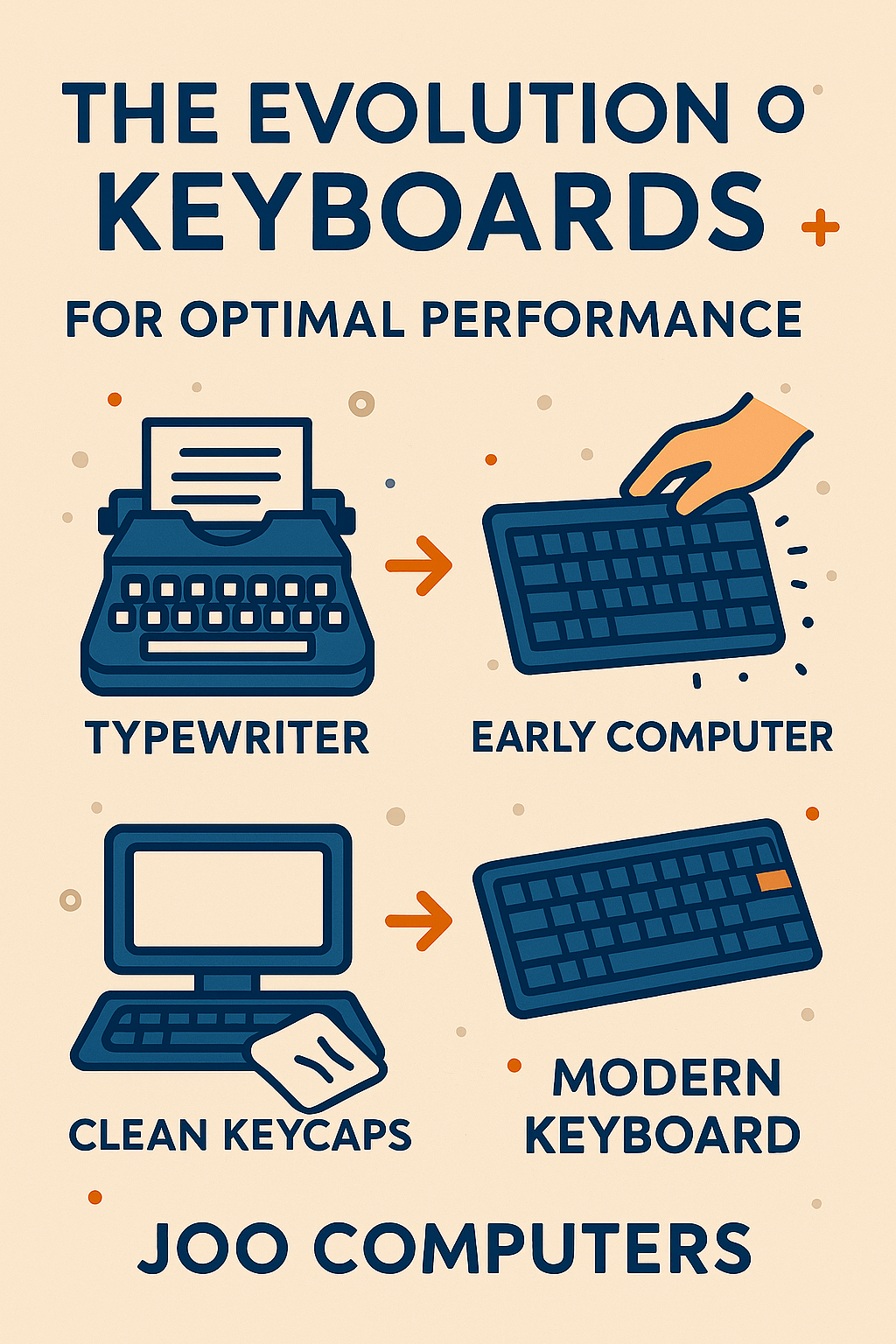
The Evolution of Keyboards: From Typewriters to Gaming Keyboards
Keyboards have been an essential tool for communication and information processing since their inception. Originating from the mechanical typewriters of the early 19th century, their evolution has been marked by significant technological advancements. Today, keyboards are not just tools for writing; they have become specialized devices catering to various needs, including gaming, programming, and ergonomic comfort. In this post, we will explore the fascinating journey of the keyboard from its humble beginnings to its current state as a high-tech gaming accessory.
The Birth of Typewriters
The story of the keyboard begins with the invention of the typewriter. The first commercially successful typewriter was developed by Christopher Latham Sholes, Carlos Glidden, and Samuel Soule in 1868. Known as the Sholes and Glidden typewriter, it was later sold as the Remington No. 1. This machine introduced the QWERTY layout, which remains the standard for most keyboards today.
Typewriters revolutionized the way people wrote, enabling faster and more efficient document creation. The QWERTY layout was specifically designed to prevent jamming by spacing out commonly used letter pairings, a necessity for mechanical typewriters. Despite the evolution of technology, this layout has persisted due to its widespread adoption and familiarity.
The Transition to Electric Keyboards
By the mid-20th century, electric typewriters began to replace their mechanical counterparts. These machines, such as the IBM Selectric, introduced a key innovation: the typeball or “golf ball” head. This allowed for faster typing speeds and easier correction of errors, as the typeball could swiftly rotate to the required character.
Electric typewriters set the stage for the development of early computer keyboards. As computers became more mainstream, the need for a reliable input method grew. Electric keyboards provided a natural transition, utilizing the same QWERTY layout while offering enhanced functionality and comfort.

The Rise of Computer Keyboards
The advent of personal computers in the late 20th century further transformed the keyboard. Early computer keyboards were heavily influenced by typewriters, but as technology progressed, they began to diverge significantly. One of the earliest and most influential was the Model M keyboard, introduced by IBM in 1984. Known for its tactile feedback and durability, the Model M set a high standard for keyboard design.
Computer keyboards also saw the introduction of additional keys, such as function keys and special character keys, to accommodate the growing complexity of computer operations. These developments allowed for more versatile and efficient user interactions.
Specialized Keyboards EmergeAs computing needs became more specialized, so did keyboards. Ergonomic keyboards were developed to reduce strain during long typing sessions, featuring split designs and adjustable angles. These innovations aimed to minimize repetitive strain injuries and improve comfort for users.
Another significant development was the introduction of programmable keyboards, which allow users to customize key functions. This feature is particularly beneficial for programmers and advanced users who require specific shortcuts and commands.
The Age of Gaming Keyboards
With the rise of the gaming industry, keyboards have evolved to meet the demands of gamers. Gaming keyboards are designed with features such as RGB lighting, macro keys, and mechanical switches that provide tactile feedback and durability. These keyboards enhance the gaming experience by improving responsiveness and allowing for extensive customization.
Mechanical switches, in particular, have become a hallmark of gaming keyboards. Unlike traditional membrane keyboards, mechanical switches offer distinct tactile responses and longevity. This makes them ideal for gaming, where precision and speed are crucial.
Many gaming keyboards also include additional features like anti-ghosting and N-key rollover, which ensure that multiple key presses are registered accurately. These advancements allow gamers to execute complex commands quickly and efficiently.
Future Trends in Keyboard Technology
The future of keyboards looks promising, with ongoing research and development aimed at enhancing functionality and user experience. One area of interest is the integration of AI technology into keyboards, which could offer predictive text input and adaptive learning capabilities.
Moreover, innovations in materials and design are leading to the creation of ultra-thin and flexible keyboards that can be used with portable devices. These keyboards prioritize portability and convenience while maintaining functionality.
Takeaways
The evolution of keyboards from typewriters to modern gaming devices reflects the dynamic nature of technology and its impact on how we interact with machines. Each stage of development has introduced new features and capabilities, catering to the diverse needs of users. As technology continues to advance, we can expect further innovations that will redefine the keyboard’s role in our digital lives. Whether for gaming, programming, or everyday use, keyboards remain a vital tool for communication and productivity.
The Role of Keyboards in Accessibility
Keyboards play a crucial role in accessibility, providing individuals with disabilities the means to interact with technology effectively. Innovations in keyboard design have focused on creating inclusive products that cater to a wide range of needs. For instance, large-print keyboards are designed for individuals with visual impairments, offering oversized keys and high-contrast lettering to improve readability.
Additionally, assistive technology like speech-to-text software often relies on keyboards for command inputs and corrections. Customizable keyboards, which allow users to remap keys, can be invaluable for those with mobility impairments, providing a tailored interface that enhances usability and reduces physical strain.
Environmental Impact and Sustainable Practices
As with many electronic devices, the environmental impact of keyboard production and disposal is a growing concern. Manufacturers are increasingly adopting sustainable practices to address these issues. For example, some companies are utilizing recycled materials in keyboard production, reducing reliance on virgin resources and minimizing waste.

Furthermore, the development of durable keyboards with longer lifespans helps to decrease the frequency of replacement, reducing e-waste. Brands like Logitech are leading efforts to produce eco-friendly keyboards through initiatives that focus on sustainable sourcing and energy-efficient manufacturing processes.
Customization and Personalization
In recent years, there has been a surge in the popularity of customizable keyboards, especially within the enthusiast community. Users can personalize everything from the keycaps to the switches, creating a truly unique typing experience. This customization trend extends beyond aesthetics, as enthusiasts often modify keyboards to enhance performance and feel.
Platforms like Reddit’s Mechanical Keyboards community showcase the diverse modifications users apply, from custom keycap sets to hand-lubed switches. Such communities provide resources and inspiration for those looking to dive into keyboard customization, fostering a culture of creativity and innovation.
The Impact of Wireless Technology
Wireless technology has significantly influenced keyboard design, offering users greater flexibility and convenience. Wireless keyboards eliminate the clutter of cables, allowing for a cleaner workspace and more freedom of movement. Advances in Bluetooth technology have made wireless keyboards more reliable, with improved connectivity and reduced latency.
Despite early concerns about battery life, modern wireless keyboards boast impressive longevity, with some models capable of running for months on a single charge. Some keyboards even feature solar panels or kinetic energy systems that recharge the device as it is used, further enhancing convenience and reducing the need for frequent battery replacements.
Final Thoughts
The journey of the keyboard from its origins as a typewriter to the sophisticated devices we use today highlights the incredible pace of technological advancement. As keyboards continue to evolve, they promise to integrate more seamlessly into our digital lives, offering enhanced functionality, customization, and accessibility.
Whether you’re a gamer, a professional typist, or someone who simply enjoys the tactile pleasure of a well-crafted keyboard, the future holds exciting possibilities. As we look ahead, it’s clear that the keyboard will remain a vital tool, adapting to meet the changing demands of the digital age while preserving its core purpose as a means of communication and creativity.

Exploring Innovative Keyboard Technologies
The next frontier in keyboard technology promises to push boundaries even further. One area of exploration is the integration of haptic feedback, which can provide users with tactile responses similar to those found in smartphone technology. This could enhance the typing experience by simulating the feel of mechanical switches in a membrane keyboard, offering a hybrid experience that combines the best of both worlds.
Another exciting development is the potential use of optical switches. These switches use light-based actuation, which can offer faster response times and increased durability compared to traditional mechanical switches. As the demand for high-performance keyboards continues to grow, optical switch technology could become a standard in both professional and gaming keyboards.
Keyboards in the Era of IoT
The Internet of Things (IoT) is set to influence keyboard design and functionality, with smart keyboards becoming more prevalent. These devices can connect with other IoT-enabled gadgets, allowing users to control multiple elements of their digital environment from a single interface. Imagine a keyboard that can adjust your room’s lighting, control music playback, or even manage notifications without needing to leave your desk.
These smart keyboards can also collect data to provide insights into typing habits and productivity, offering personalized suggestions for improvement. As IoT technology becomes more integrated into our lives, keyboards are likely to become even more versatile and multifunctional, further embedding themselves into our daily routines.
Global Variations and Keyboard Layouts
While the QWERTY layout is predominant in many English-speaking countries, there are numerous keyboard layouts tailored to different languages and regions. For instance, the AZERTY layout is primarily used in France, while Germany uses the QWERTZ layout. These variations accommodate the specific characters and typing patterns required by different languages.
The advent of virtual keyboards on smartphones and tablets has also led to the development of new layouts and input methods, such as swipe typing, which allows users to drag their finger across letters to form words. These innovations reflect the diverse needs of users worldwide and the continuous evolution of input technology.
Keyboards as Cultural Artifacts
Beyond their functional role, keyboards have become cultural artifacts, reflecting the technological and aesthetic values of their time. The resurgence of interest in vintage typewriters and mechanical keyboards embodies a nostalgia for the tactile and auditory experiences of past technologies. Collectors and enthusiasts often seek out classic models, appreciating them as much for their craftsmanship as for their historical significance.
The keyboard’s cultural impact is also evident in the way it shapes communication. The rise of internet slang, emojis, and digital shorthand can be attributed to the keyboard’s influence, as users adapt their language to fit the constraints and capabilities of digital communication tools.
Conclusion: The Future of Keyboards
As we conclude this exploration of the keyboard’s evolution, it’s clear that the journey is far from over. The keyboard will continue to adapt and innovate, responding to the changing landscape of technology and user needs. Whether through enhanced connectivity, personalized features, or sustainable practices, the future of keyboards promises to be as dynamic and varied as its past.
For those interested in the history and future of keyboards, resources like the Computer History Museum offer a wealth of information and insights. As we look ahead, the keyboard remains a symbol of human ingenuity and adaptability, a tool that bridges the gap between thought and expression, and a testament to the enduring power of technology to transform our lives.
Need help with “The Evolution of Keyboards: From Typewriters to Gaming Keyboards”?
Ready to upgrade your tech? 🚀 Visit Joo Computers today for quality laptops, desktops, accessories, and expert support. 📞 Call / WhatsApp: 0717 18 35 90 📍 Location: Moi Avenue, Elegant Exhibition Shop A5, opposite Bihi Towers Walk in, call us, or message us now — let’s get you sorted!
Need help with “The Evolution of Keyboards: From Typewriters to Gaming Keyboards”? Ready to upgrade your tech? 🚀 Visit Joo Computers today for quality laptops, desktops, accessories, and expert support. 📞 Call / WhatsApp: 0717 18 35 90 📍 Location: Moi Avenue, Elegant Exhibition Shop A5, opposite Bihi Towers Walk in, call us, or message us now — let’s get you sorted!