


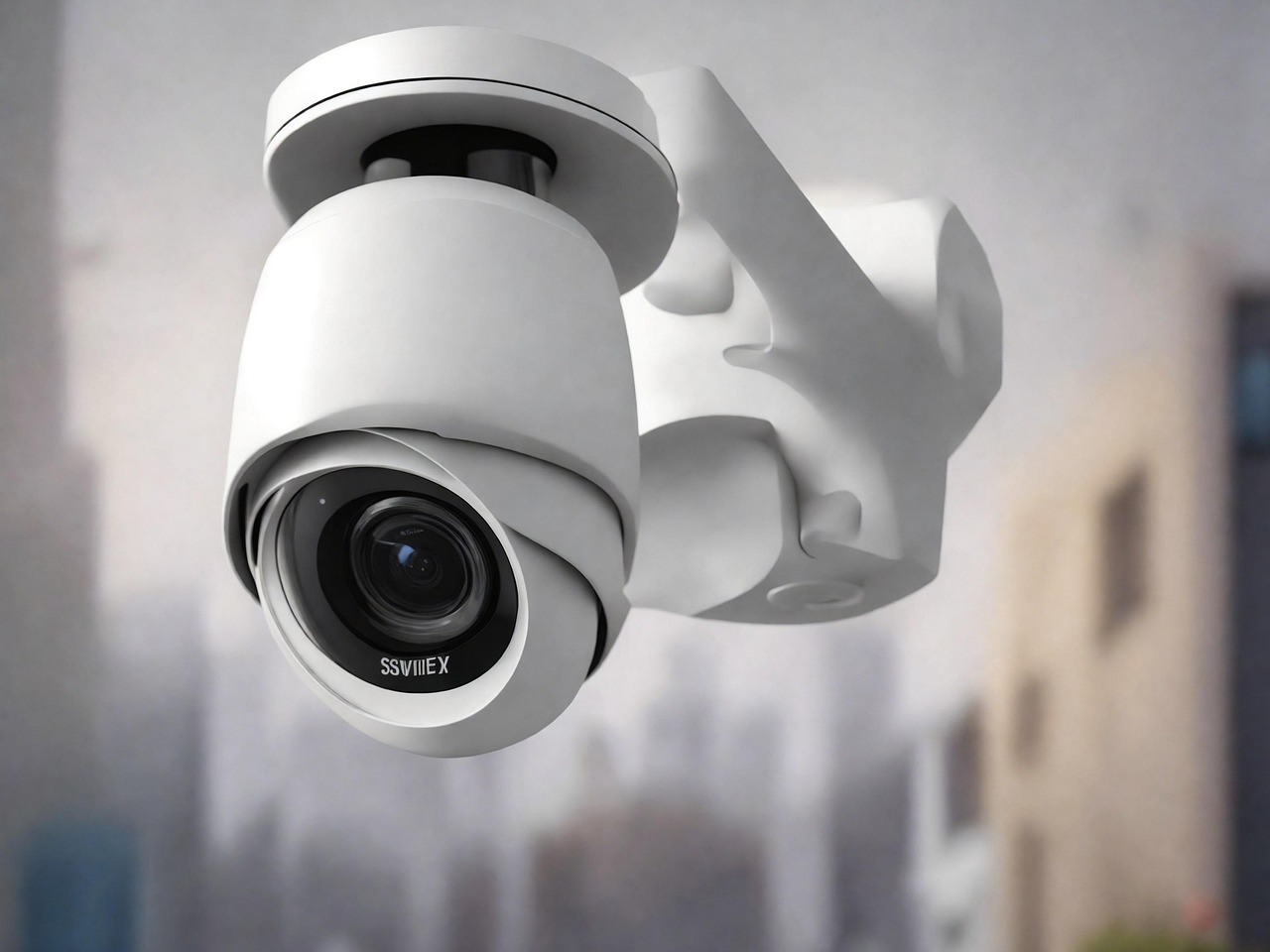
Optimizing CCTV Cameras for SMEs: A Guide to Enhancing Workplace Security with Joo Computers Ltd
In today’s fast-paced business environment, ensuring the safety and security of company assets is more crucial than ever. For small and medium-sized enterprises (SMEs), deploying an effective surveillance system can mean the difference between peace of mind and vulnerability. Joo Computers Ltd specializes in optimizing CCTV cameras to enhance workplace security, providing tailored solutions that meet the unique needs of SMEs.
Understanding the Importance of CCTV Surveillance in SMEs
Security is a primary concern for businesses of all sizes, but for SMEs, the stakes are particularly high. A recent survey highlights that small businesses are majorly affected by theft, vandalism, and unauthorized access. CCTV cameras not only deter criminal activities but also provide valuable evidence in the event of an incident.
Moreover, surveillance systems enhance employee safety and productivity. By monitoring workplace activities, businesses can ensure compliance with company policies and identify areas for operational improvement. With the rapid advancement in technology, modern CCTV systems offer high-resolution video, remote viewing capabilities, and intelligent analytics, making them indispensable for security management.
Key Considerations for Optimizing CCTV Cameras
When optimizing CCTV cameras for SMEs, several factors need to be considered to ensure maximum efficiency and effectiveness. Here are some crucial aspects to keep in mind:
1. Assessing Security Needs
Before implementing a CCTV system, it’s essential to conduct a thorough risk assessment to identify vulnerable areas within the business premises. Consider entry and exit points, high-value storage areas, and places with minimal supervision. This assessment will guide the placement and type of cameras needed for comprehensive coverage.
2. Choosing the Right Type of Cameras
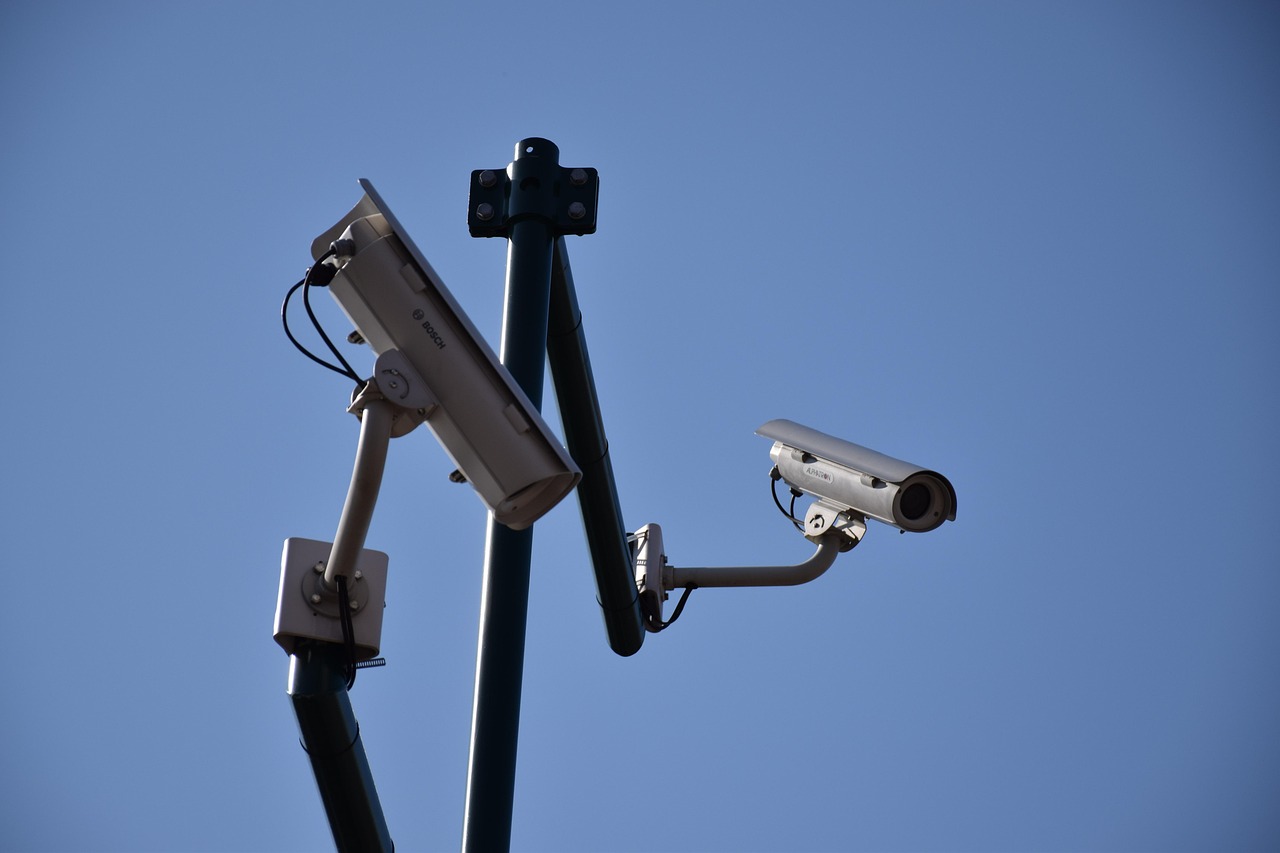
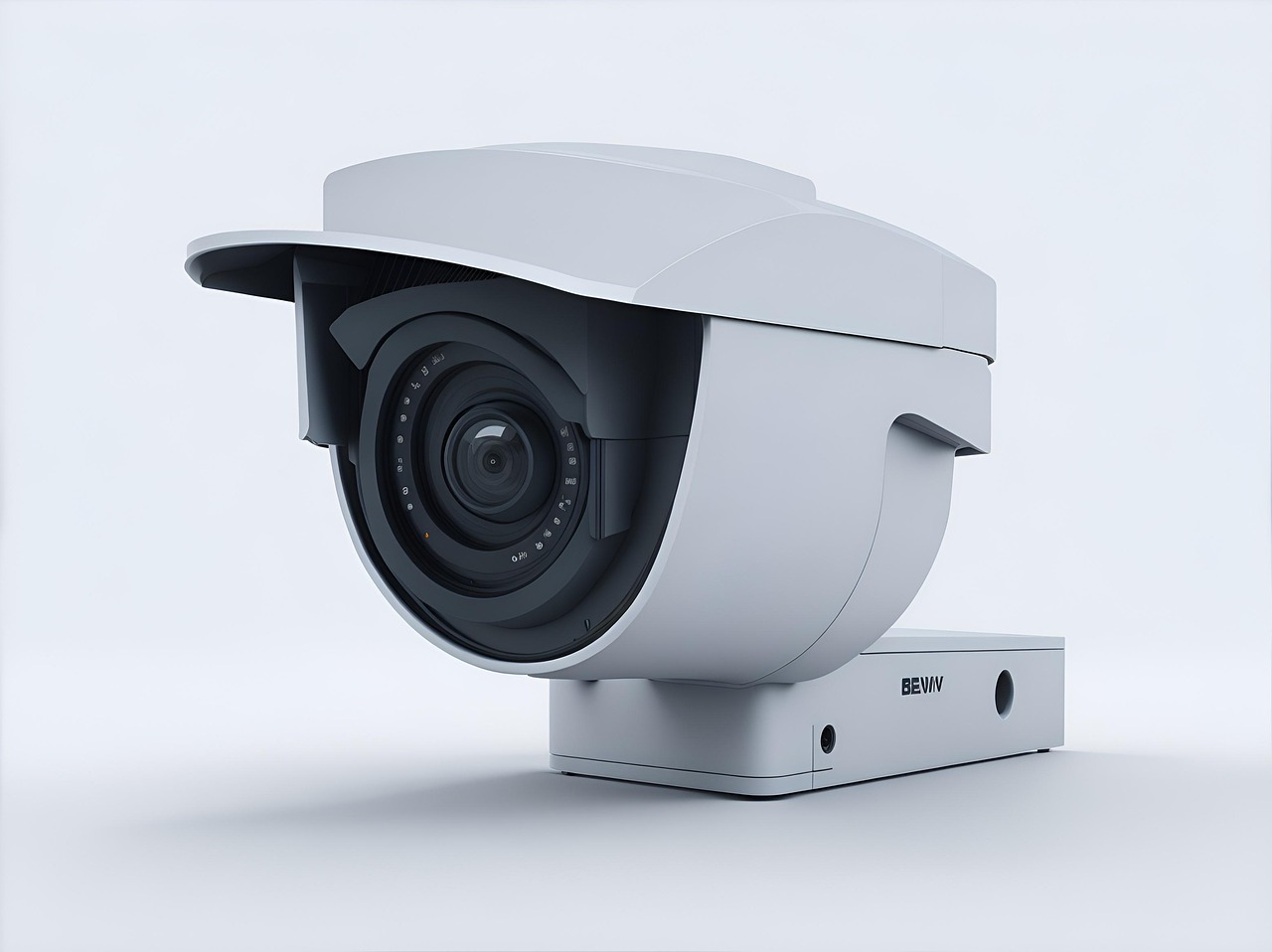
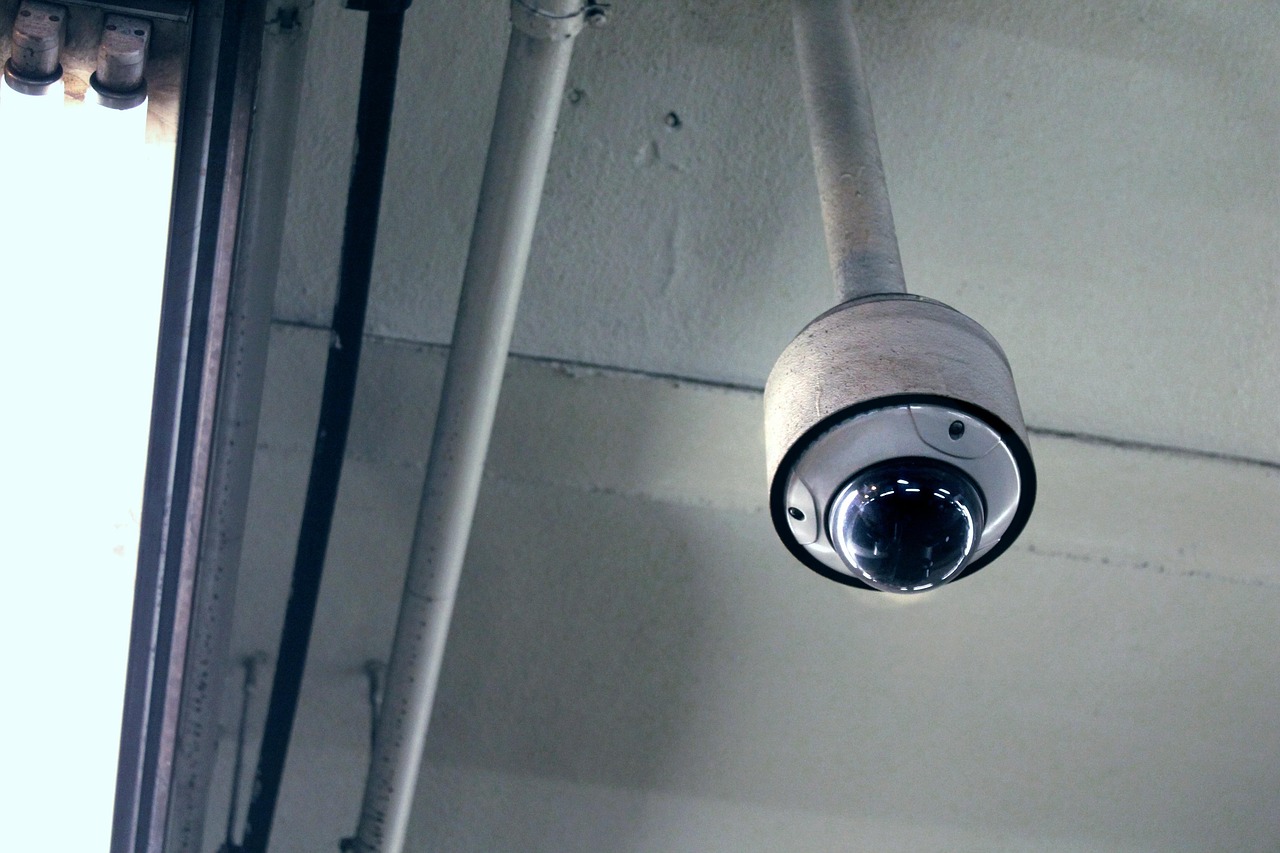
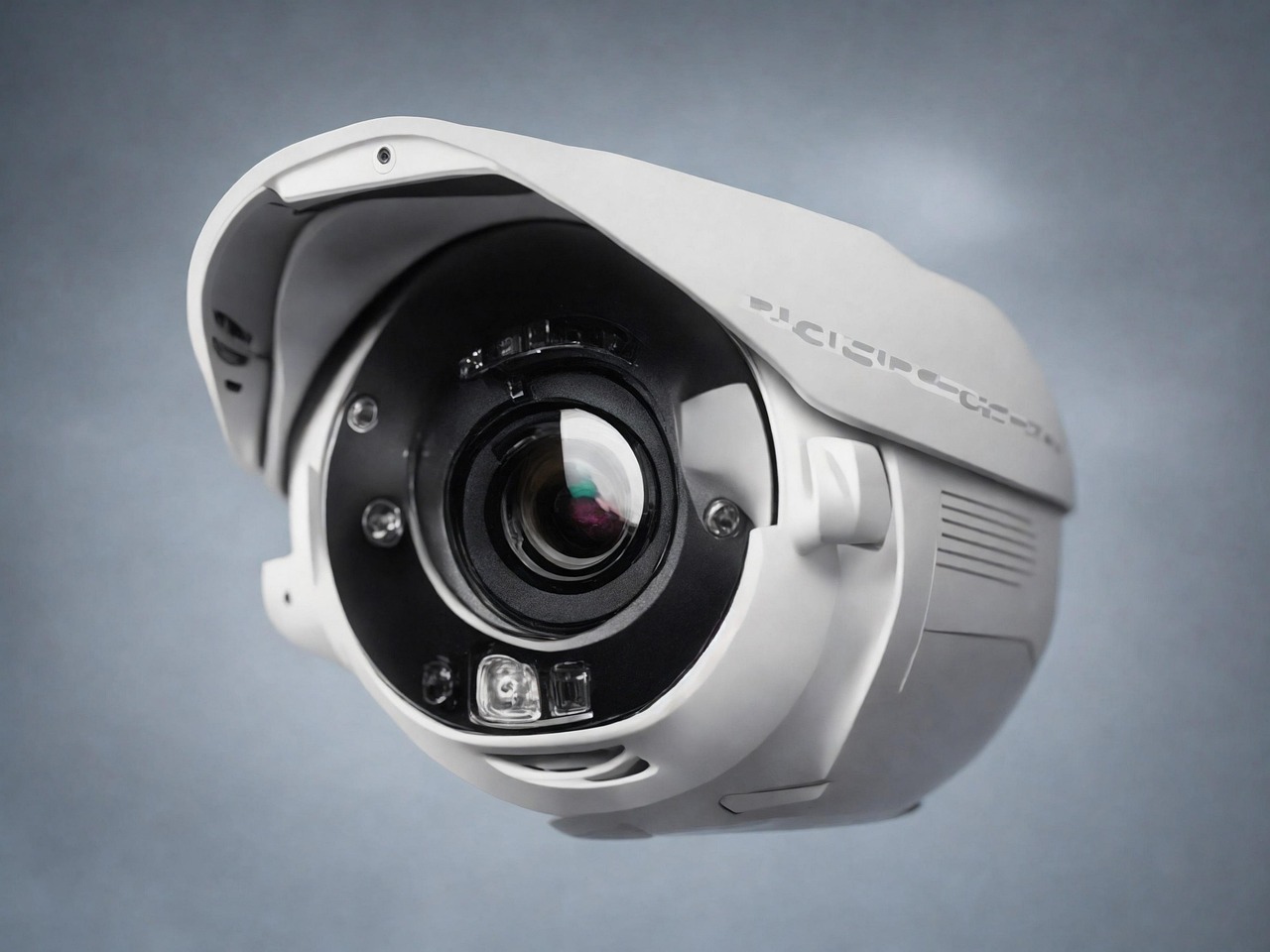
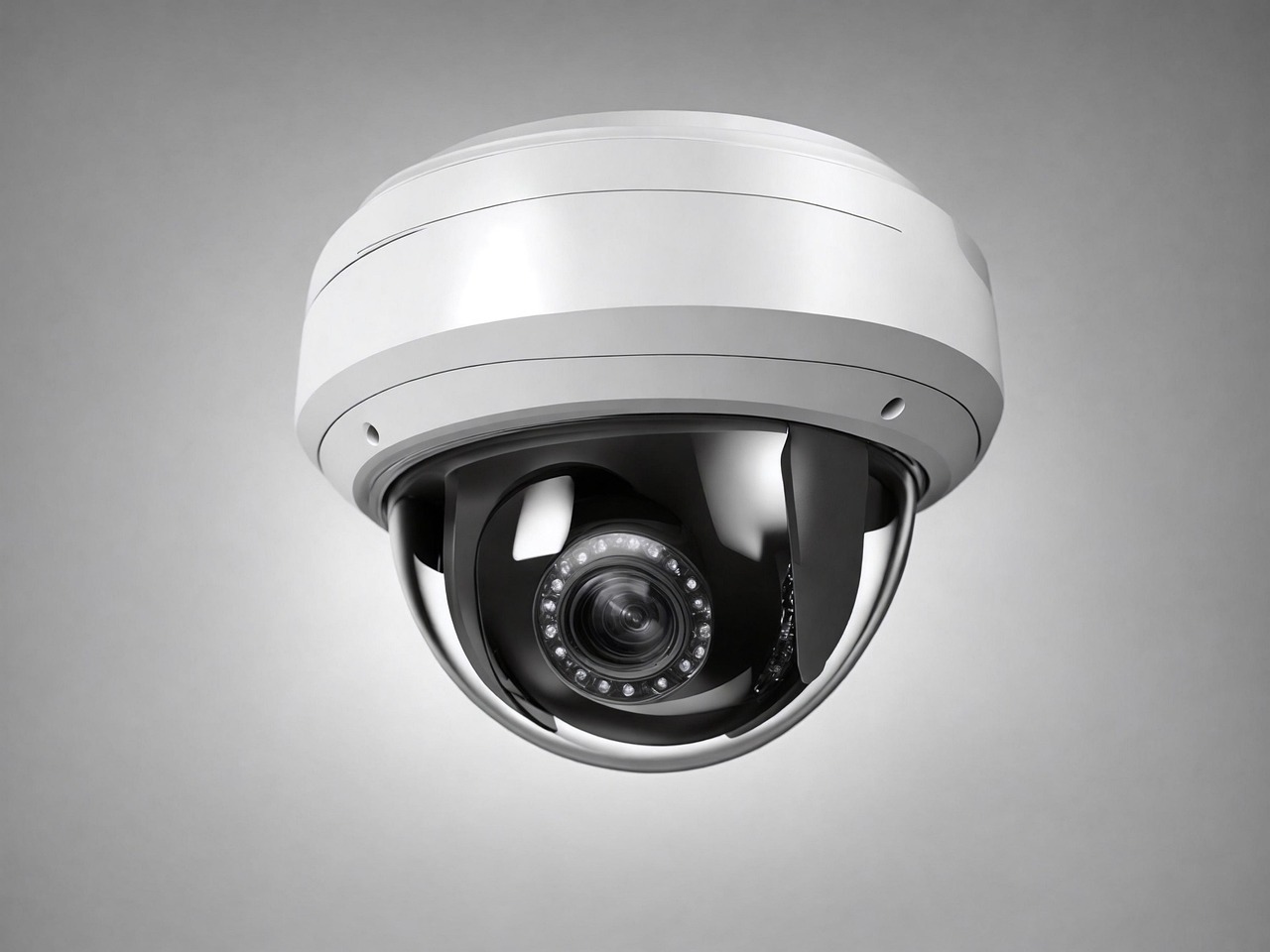
There are various types of CCTV cameras, each suited for different environments and purposes. Dome cameras are ideal for indoor use due to their discreet design, while bullet cameras are suitable for outdoor areas because of their long-range capabilities. For high-risk areas, PTZ (pan-tilt-zoom) cameras offer flexible monitoring through remote direction and zoom control.
3. Enhancing Image Quality
High-definition cameras are crucial for capturing clear images that can be used for identification and evidence. Opt for cameras with at least 1080p resolution and consider those with low-light functionality or infrared capabilities for night surveillance. Additionally, placement should be optimized to reduce glare and obstructions.
4. Integrating Advanced Analytics
Modern CCTV systems are equipped with advanced analytics that can significantly enhance security management. Features such as motion detection, facial recognition, and license plate recognition can automate surveillance processes and alert security personnel to potential threats in real time. These features not only improve security response but also reduce the need for constant manual monitoring.
Installation and Maintenance Best Practices
Proper installation and regular maintenance are key to ensuring the longevity and effectiveness of CCTV systems. Here are some best practices:
1. Professional Installation
While DIY installation may seem cost-effective, professional installation ensures that cameras are correctly positioned and configured for optimal performance. Joo Computers Ltd offers expert installation services, ensuring that every camera is strategically placed to cover critical areas and integrated seamlessly with existing security systems.
2. Regular Maintenance
Consistent maintenance is necessary to keep CCTV systems in peak condition. Schedule regular inspections to clean lenses, check connections, and update software. This proactive approach minimizes the risk of system failures and ensures that cameras are always operational when needed.
3. Data Management and Storage
Effective data management is crucial, particularly for SMEs with limited resources. Opt for systems that offer cloud storage solutions to ensure data is securely backed up and easily accessible. Additionally, establish a data retention policy to manage storage costs and comply with privacy regulations.
Leveraging Technology for Enhanced Security
Technology is constantly evolving, and staying abreast of the latest advancements can greatly enhance security measures. One such advancement is the integration of IoT (Internet of Things) into CCTV systems, allowing for smarter and more responsive security solutions.
IoT-enabled cameras can communicate with other smart devices, such as alarms and locks, to provide a comprehensive security ecosystem. This integration allows for automated responses to security breaches, such as locking doors or triggering alarms, thereby reducing response times and enhancing overall security.
Case Study: Successful Implementation by Joo Computers Ltd
Joo Computers Ltd has successfully implemented optimized CCTV systems for numerous SMEs, transforming their security landscape. A notable example is a mid-sized retail chain that was experiencing frequent theft and unauthorized access. By conducting a thorough risk assessment and deploying a combination of dome and bullet cameras, Joo Computers Ltd was able to significantly reduce incidents and improve employee safety.
The implementation included advanced analytics for real-time alerts and cloud-based storage for secure data management. The result was a robust and responsive security system that provided peace of mind to the business owners and ensured a safer workplace environment.
Takeaways
Optimizing CCTV cameras is an essential step for SMEs looking to enhance their security measures. By understanding the specific needs of the business, choosing the right technology, and implementing best practices in installation and maintenance, companies can create a secure environment that protects assets, employees, and customers.
Joo Computers Ltd offers comprehensive solutions tailored to the unique requirements of SMEs, ensuring that businesses are equipped with state-of-the-art surveillance systems. By leveraging cutting-edge technology and expert installation, SMEs can achieve a level of security that not only deters crime but also fosters a safe and productive workplace.
For more information on optimizing CCTV cameras and enhancing workplace security, consider visiting Security Industry Association for additional resources and insights.
Future Trends in CCTV Technology for SMEs
As technology continues to evolve, SMEs must stay informed about emerging trends in CCTV technology to maintain effective security systems. Here are some future trends that are expected to shape the landscape of CCTV surveillance:
1. Artificial Intelligence and Machine Learning
Artificial Intelligence (AI) and Machine Learning (ML) are revolutionizing CCTV systems by enabling cameras to learn and adapt to their surroundings. These technologies allow for the identification of unusual patterns or behaviors, which can trigger alerts for security personnel. For example, AI-powered cameras can distinguish between normal customer behavior and suspicious activities, enhancing the accuracy of threat detection.
2. 5G Connectivity
The advent of 5G technology promises faster and more reliable connectivity, which is set to transform the functionality of CCTV systems. With 5G, cameras can transmit high-definition video footage in real-time with minimal latency, facilitating instantaneous monitoring and response. This capability is particularly beneficial for remote surveillance and integrated security systems.
3. Enhanced Cybersecurity
As CCTV systems become more interconnected, the risk of cyber threats increases. Future CCTV technologies will likely incorporate advanced cybersecurity measures to protect against unauthorized access and data breaches. This includes encrypted communications, secure data storage, and regular security updates to safeguard sensitive information.
4. Biometric Integration
Biometric technologies, such as facial recognition and fingerprint scanning, are increasingly being integrated into CCTV systems to enhance access control and identification processes. These technologies provide an additional layer of security by verifying the identity of individuals before granting access to sensitive areas. SMEs can leverage biometric integration to ensure that only authorized personnel can enter restricted zones.
Practical Tips for SMEs Implementing CCTV Systems
For SMEs looking to implement or upgrade their CCTV systems, here are some practical tips to ensure a successful deployment:
1. Engage Stakeholders
Engage key stakeholders, including employees, management, and security personnel, in the planning and implementation process. This collaborative approach ensures that the system meets the needs of all parties and addresses any concerns or requirements specific to the business operations.
2. Ensure Compliance with Regulations
Compliance with data protection regulations, such as GDPR, is crucial when implementing CCTV systems. SMEs must ensure that their surveillance practices are lawful and transparent, with clear policies on data usage, retention, and access. Regular audits and training can help maintain compliance and build trust with employees and customers.
3. Prioritize User Training
Effective CCTV systems rely on knowledgeable users who can operate and monitor the system efficiently. Provide comprehensive training to security personnel and other relevant staff to ensure they are familiar with the system’s functionalities and can respond appropriately to alerts and incidents.
4. Monitor and Evaluate System Performance
Regularly monitor and evaluate the performance of the CCTV system to identify areas for improvement. Analyze incident reports, system logs, and user feedback to assess the system’s effectiveness and make necessary adjustments. Continuous evaluation ensures that the system remains aligned with the business’s security objectives.
Conclusion: The Role of Joo Computers Ltd in Empowering SMEs
Joo Computers Ltd plays a pivotal role in empowering SMEs by providing state-of-the-art CCTV solutions that cater to their unique security needs. With a focus on innovation, expertise, and customer satisfaction, Joo Computers Ltd assists businesses in implementing robust surveillance systems that protect assets, enhance operational efficiency, and foster a safe working environment.
As the landscape of security technology continues to evolve, SMEs must partner with trusted providers like Joo Computers Ltd to stay ahead of emerging threats and leverage the latest advancements. By investing in optimized CCTV systems, SMEs can achieve peace of mind and focus on their core business objectives with confidence.
For further insights and assistance in optimizing CCTV systems for your business, explore resources from industry experts such as ASIS International and consider reaching out to Joo Computers Ltd for personalized guidance and solutions.
Need help with “Optimizing CCTV Cameras for SMEs: A Guide to Enhancing Workplace Security with Joo Computers Ltd”?
Ready to upgrade your tech? 🚀 Visit Joo Computers today for quality laptops, desktops, accessories, and expert support. 📞 Call / WhatsApp: 0717 18 35 90 📍 Location: Moi Avenue, Elegant Exhibition Shop A5, opposite Bihi Towers Walk in, call us, or message us now — let’s get you sorted!
Need help with "Optimizing CCTV Cameras for SMEs: A Guide to Enhancing Workplace Security with Joo Computers Ltd"? Ready to upgrade your tech? 🚀 Visit Joo Computers today for quality laptops, desktops, accessories, and expert support. 📞 Call / WhatsApp: 0717 18 35 90 📍 Location: Moi Avenue, Elegant Exhibition Shop A5, opposite Bihi Towers Walk in, call us, or message us now — let’s get you sorted!