


Understanding the Surge in RAM and SSD Prices Worldwide
In recent times, consumers and tech enthusiasts alike have noticed a significant increase in the prices of Random Access Memory (RAM) and Solid-State Drives (SSD). This surge has sparked numerous discussions and speculations regarding the causes and implications of this trend. This blog post aims to unravel the complexities behind the escalating costs of these critical laptop components, providing insights into the global factors at play.
The Basics: What Are RAM and SSD?
Before diving into the reasons for the price increase, it’s essential to understand the roles of RAM and SSD in laptops. RAM is a type of volatile memory that computers use to store data that is actively being worked on. It is crucial for multitasking and overall system performance. On the other hand, SSDs are storage devices that use flash memory to store data persistently, offering faster data access speeds compared to traditional hard disk drives.
Factors Influencing the Price Hike
The increase in RAM and SSD prices can be attributed to several interrelated factors. Below, we explore some of the most significant contributors to the current pricing trend.
1. Supply Chain Disruptions
One of the primary reasons for the price surge is the disruption in the global supply chain. The global supply chain crisis, exacerbated by the COVID-19 pandemic, has affected the production and distribution of electronic components, including semiconductors essential for manufacturing RAM and SSDs. Factory shutdowns, labor shortages, and transportation bottlenecks have all contributed to delays and increased costs.
2. Increased Demand for Electronics
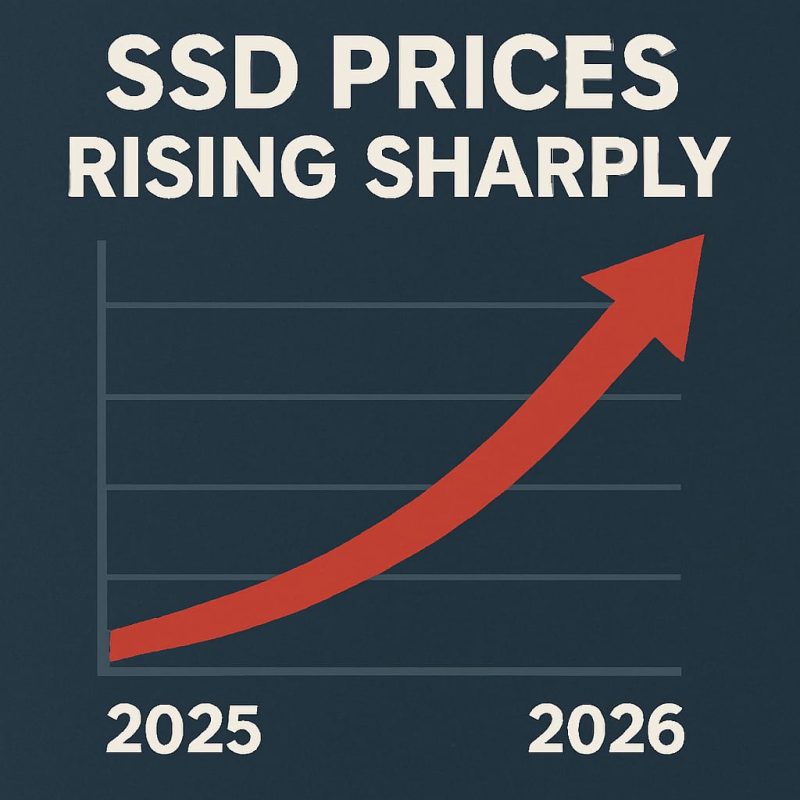
The pandemic has also led to a significant rise in the demand for electronic devices as more people work from home and engage in remote learning. This surge in demand has put additional pressure on manufacturers to produce more components, leading to a scarcity of materials and higher prices. The laptop market, in particular, has seen a massive boom, further straining the supply of RAM and SSD modules.
3. Technological Advancements
Technological advancements have also played a role in the rising costs. As RAM technology evolves, manufacturers are investing in research and development to create more efficient and faster memory modules. Similarly, advancements in SSD technology, such as the transition from SATA to NVMe interfaces, require significant investment, which is often passed on to consumers in the form of higher prices.
4. Cryptocurrency Mining
Cryptocurrency mining has unexpectedly contributed to the demand for SSDs. Certain cryptocurrencies, like Chia, rely on storage space rather than processing power, leading miners to purchase large volumes of high-capacity SSDs. This increased demand from the mining sector has resulted in stock shortages and, subsequently, price hikes in the consumer market.
Implications for Consumers and Businesses
The rising prices of RAM and SSDs have several implications for both consumers and businesses. Understanding these effects can help individuals and companies make informed purchasing decisions.
1. Increased Costs for Consumers
For consumers, the direct impact of rising prices is the increased cost of upgrading or purchasing new laptops. This can delay buying decisions or lead individuals to opt for lower-spec models to stay within budget. Additionally, consumers who rely on high-performance laptops for gaming or professional tasks may find it challenging to obtain the necessary components at reasonable prices.
2. Budget Constraints for Businesses

Businesses, particularly those in the tech and IT sectors, face budget constraints due to the increased costs of electronic components. Companies that need to upgrade their hardware infrastructure to support remote work or enhance performance may experience financial strain. This situation can affect their ability to maintain competitiveness or invest in other critical areas of their operations.
3. Impact on Small Manufacturers
Smaller manufacturers and custom PC builders are particularly vulnerable to fluctuations in component prices. The increased costs can erode their profit margins and make it challenging to compete with larger companies that have more substantial purchasing power. Some may even face the risk of going out of business if they cannot adjust their pricing strategies effectively.
Future Outlook and Potential Solutions
While the current situation poses challenges, there are potential solutions and future outlooks to consider. Understanding these can provide a sense of direction for consumers and businesses navigating the current landscape.
1. Diversification of Supply Chains
To mitigate future disruptions, companies are increasingly looking to diversify their supply chains. By sourcing components from multiple suppliers and regions, manufacturers can reduce their dependence on single points of failure. This strategy can help stabilize prices and ensure a more consistent supply of RAM and SSDs.
2. Investment in Semiconductor Manufacturing
There is a growing recognition of the need to invest in semiconductor manufacturing infrastructure. Governments and private enterprises are investing in building new semiconductor fabs to increase production capacity and meet global demand. These efforts can help alleviate the shortage of critical components and stabilize prices over time.
3. Adoption of Alternative Technologies
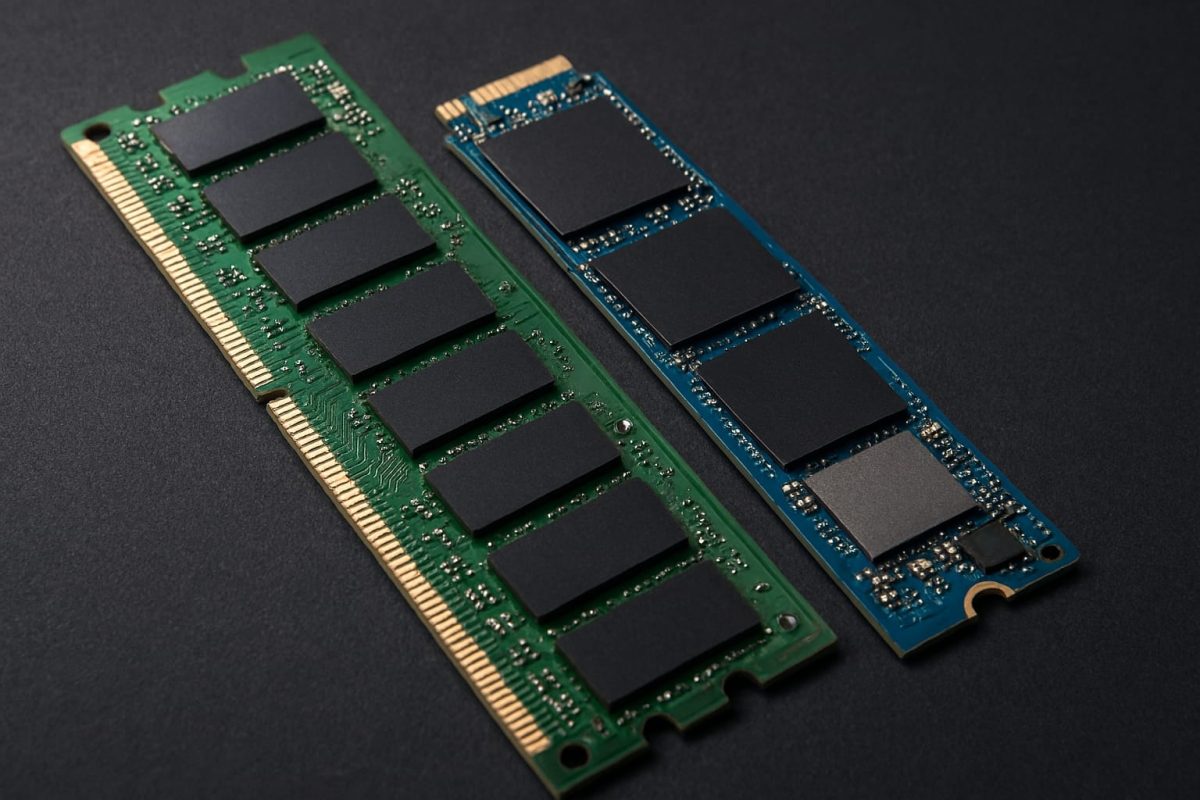
As technology continues to evolve, alternative storage solutions may emerge. For instance, advancements in optical storage or new forms of non-volatile memory could provide viable alternatives to traditional SSDs. These technologies have the potential to reduce dependence on current supply chains and offer more cost-effective options for consumers and businesses.
Takeaways
The rise in RAM and SSD prices worldwide is a multifaceted issue driven by supply chain disruptions, increased demand, technological advancements, and unexpected factors like cryptocurrency mining. While the situation presents challenges, it also offers opportunities for innovation and strategic planning. By understanding the underlying causes and potential solutions, consumers and businesses can make informed decisions and adapt to the evolving landscape of the laptop and electronics market.
As the world continues to navigate these changes, staying informed and proactive will be key to managing the impact of price fluctuations on everyday technology needs.
Strategies for Consumers to Mitigate Higher Costs
While the rise in RAM and SSD prices may appear daunting, consumers can adopt several strategies to cope with these increased costs. Here are some practical tips that can ease the financial burden and ensure that upgrades and purchases remain within budget.
1. Timing Your Purchases
One effective way to mitigate costs is to time your purchases strategically. Prices for electronic components tend to fluctuate throughout the year, often influenced by market conditions and seasonal trends. By keeping an eye on price trends and taking advantage of sales or discount events like Black Friday or Cyber Monday, consumers can potentially secure better deals on RAM and SSDs.
2. Exploring Refurbished or Second-Hand Options
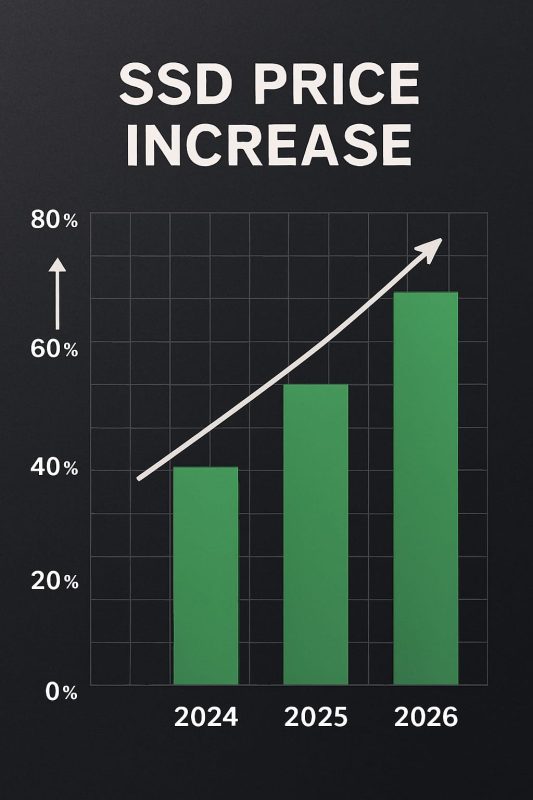
Consider exploring the refurbished or second-hand markets for RAM and SSD purchases. Many reputable retailers offer certified refurbished products that come with warranties and are often significantly cheaper than brand-new items. Additionally, buying from trusted second-hand sources can provide good quality components at reduced prices, making them a cost-effective alternative.
3. Evaluating Your Actual Needs
Before purchasing, evaluate your actual needs to avoid overspending on unnecessary specifications. Assessing the tasks you typically perform and the performance requirements of your applications can help you determine the appropriate amount of RAM and SSD storage. This way, you can focus on buying components that match your needs without paying a premium for extra capacity that may go unused.
4. Keeping an Eye on Manufacturer Promotions
Manufacturers often run promotions or bundle deals on laptops and components, which can offer substantial savings. Signing up for newsletters from major manufacturers and retailers can ensure that you receive notifications about upcoming promotions, giving you the opportunity to purchase RAM and SSDs at reduced prices.
Innovations and Their Impact on Future Pricing
The technology industry is ever-evolving, and ongoing innovations may eventually impact the pricing of RAM and SSDs. By keeping abreast of these developments, consumers and businesses can better anticipate future market trends.
1. Adoption of DDR5 RAM
The introduction of DDR5 RAM promises increased speed and efficiency compared to its predecessor, DDR4. As DDR5 becomes more commonplace, the cost of DDR4 modules may decrease, making them more accessible to budget-conscious consumers. Moreover, as production scales and DDR5 technology matures, its prices are expected to gradually decline.
2. Advances in NAND Flash Technologies
The evolution of NAND flash technologies used in SSDs can also influence future pricing. Developments like 3D NAND and Quad-Level Cell (QLC) technology allow manufacturers to produce higher-capacity SSDs at lower costs per gigabyte. As these technologies become mainstream, consumers can expect more competitive pricing in the SSD market.
3. Increased Competition in the Market
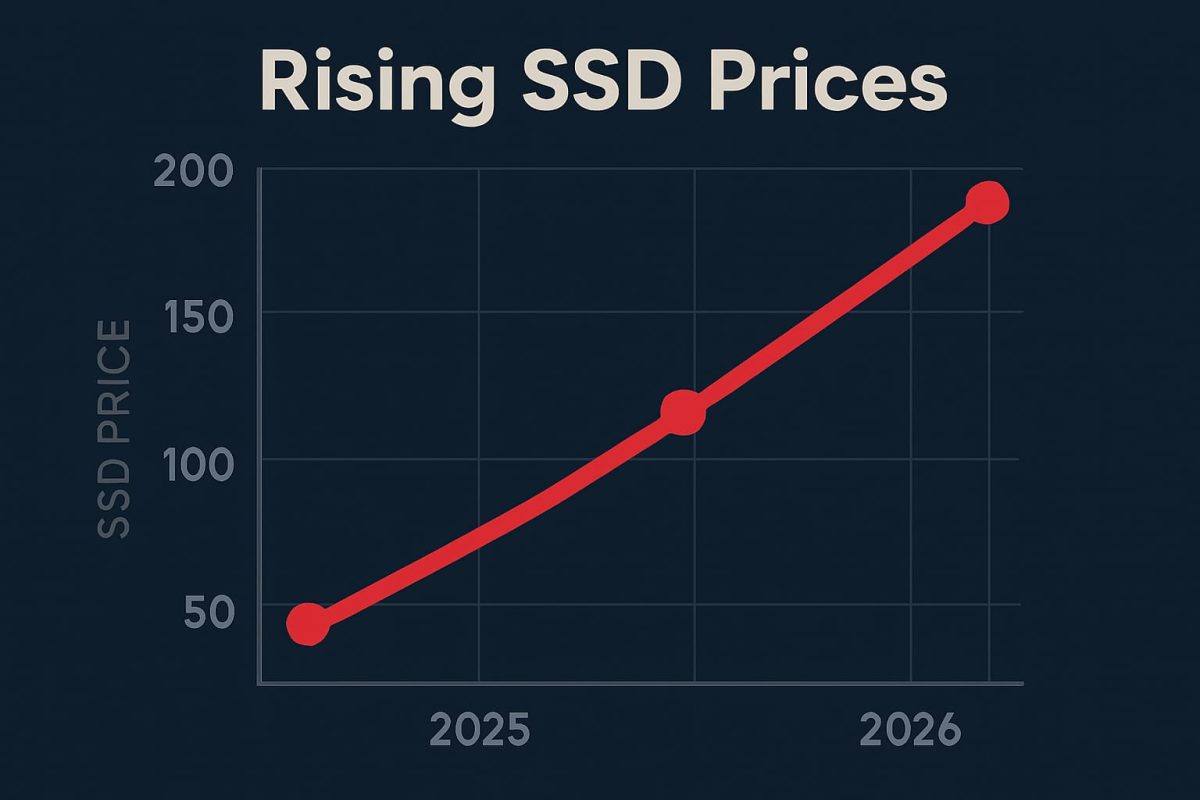
As more companies enter the semiconductor manufacturing space, increased competition could lead to better pricing for RAM and SSDs. New entrants often bring innovative manufacturing techniques and cost-effective solutions that can drive down prices. Keeping an eye on emerging players and their offerings can provide opportunities for consumers to benefit from competitive pricing.
Conclusion: Navigating the Pricing Landscape
Understanding the reasons behind the recent surge in RAM and SSD prices empowers consumers and businesses to navigate the current market landscape more effectively. While the challenges are multifaceted, strategic purchasing decisions, staying informed about technological advancements, and exploring alternative options can help mitigate the impact of rising costs.
As the industry continues to evolve, remaining adaptable and proactive will be essential for making the most of available resources. By leveraging insights into supply chain dynamics, market trends, and innovative technologies, consumers and businesses can not only weather the current pricing storm but also position themselves for future growth and success in the ever-changing world of laptops and technology.
Need help with why RAM and SSD prices have gone up worldwide?
Ready to upgrade your tech? 🚀 Visit Joo Computers today for quality laptops, desktops, accessories, and expert support. 📞 Call / WhatsApp: 0717 18 35 90 📍 Location: Moi Avenue, Elegant Exhibition Shop A5, opposite Bihi Towers Walk in, call us, or message us now — let’s get you sorted!
Need help with why RAM and SSD prices have gone up worldwide? Ready to upgrade your tech? 🚀 Visit Joo Computers today for quality laptops, desktops, accessories, and expert support. 📞 Call / WhatsApp: 0717 18 35 90 📍 Location: Moi Avenue, Elegant Exhibition Shop A5, opposite Bihi Towers Walk in, call us, or message us now — let’s get you sorted!