



Best Laptops for Remote Work in Kenya
In the digital age, the concept of work has transcended traditional office spaces, with remote work becoming increasingly popular. Especially in Kenya, a growing number of professionals are embracing remote work for its flexibility and efficiency. To excel in remote work, having the right tools is essential, and at the heart of these tools is a reliable laptop. This article delves into the best laptops for remote work in Kenya, considering various factors such as performance, price, and durability.
Why Remote Work is Booming in Kenya
Kenya is known for its vibrant tech scene, with hubs like Nairobi’s iHub leading the charge in innovation. The rise of internet connectivity and mobile technology has facilitated remote work, enabling professionals to work from virtually anywhere. Moreover, the flexibility of remote work appeals to many, allowing a better work-life balance and reducing the time and costs associated with commuting.
Factors to Consider When Choosing a Laptop for Remote Work
When selecting a laptop for remote work, there are several factors that you need to consider to ensure you get the best value for your investment. Here are some key considerations:
- Portability: A lightweight and compact design is crucial for remote work, allowing you to easily move your workstation from one location to another.
- Battery Life: A long-lasting battery is essential, especially if you are working from places with limited access to power outlets.
- Performance: A powerful processor and sufficient RAM are necessary for multitasking and running demanding applications smoothly.
- Storage: Solid-state drives (SSDs) offer faster data access speeds compared to traditional hard drives, improving overall efficiency.
- Connectivity: Look for laptops with multiple USB ports, HDMI, and excellent Wi-Fi capabilities for seamless connectivity.
- Price: Budget is always a consideration, but it is important to balance cost with the features you need.
Top Laptop Picks for Remote Work in Kenya
Based on the above factors, here are some of the top laptops that are well-suited for remote work in Kenya:
1. Apple MacBook Air (M1, 2020)
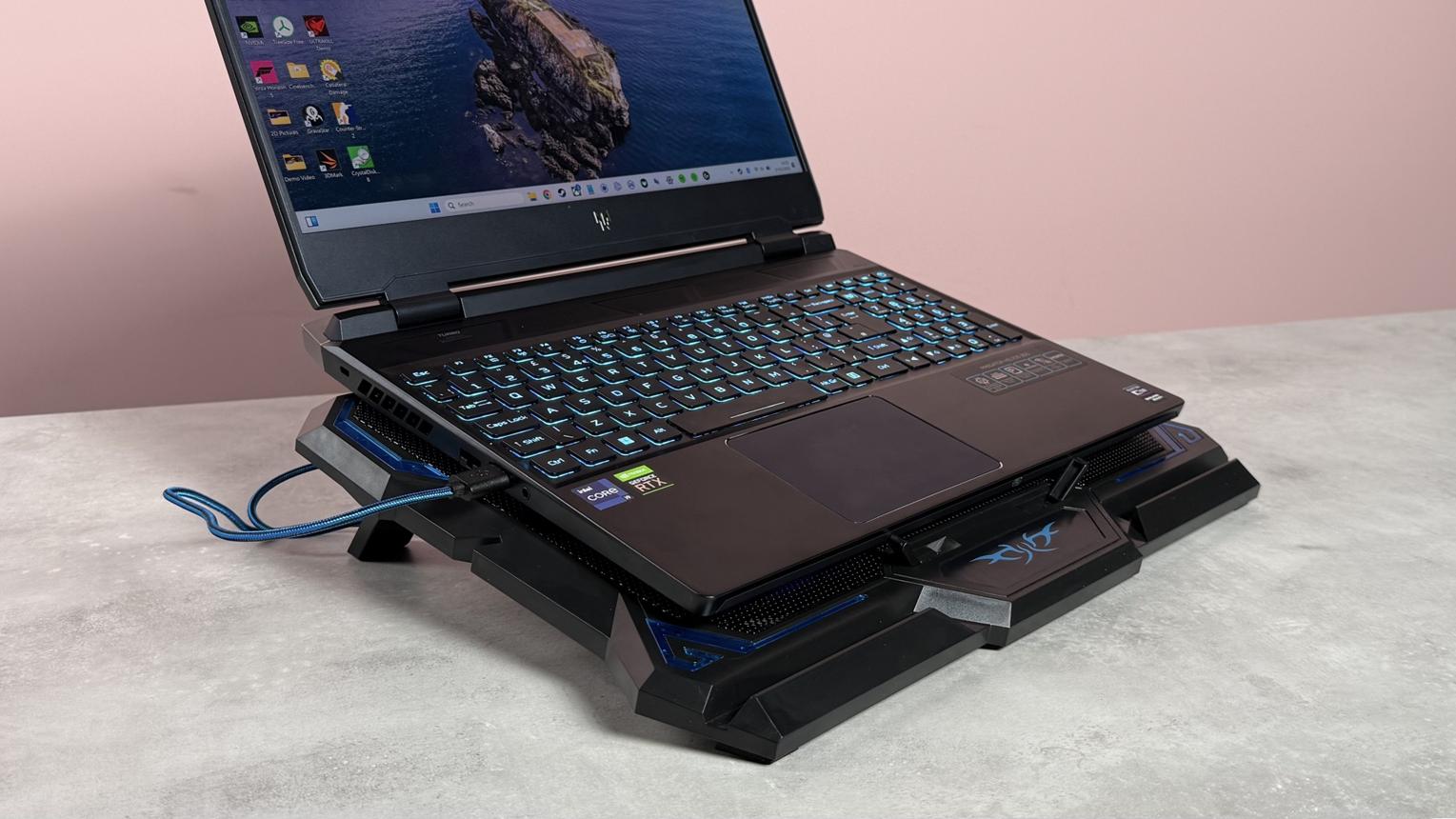
The Apple MacBook Air with M1 chip is a top choice for remote workers seeking high performance and portability. Its standout features include:
- Apple’s M1 chip delivers incredible performance and efficiency, making it perfect for multitasking.
- Offers up to 18 hours of battery life, ensuring you can work all day without searching for an outlet.
- Lightweight design, weighing just 2.8 pounds, making it easy to carry around.
- Retina display provides sharp, vibrant images, enhancing the visual experience.
2. Dell XPS 13
The Dell XPS 13 is renowned for its sleek design and powerful performance, making it an excellent option for remote professionals. Key features include:
- 11th Gen Intel Core processors, which offer powerful performance for various tasks.
- InfinityEdge display with a high resolution, providing an immersive viewing experience.
- Compact and lightweight, yet robust build quality.
- Long battery life, suitable for working on the go.
3. HP Spectre x360
The HP Spectre x360 is a versatile laptop that combines power with elegance. It’s ideal for remote work due to:
- 2-in-1 design, allowing you to use it as a laptop or tablet.
- Intel Core i5 or i7 processors, providing ample power for everyday tasks.
- Excellent battery life, lasting up to 12 hours on a single charge.
- Outstanding build quality, with a premium aluminum chassis.
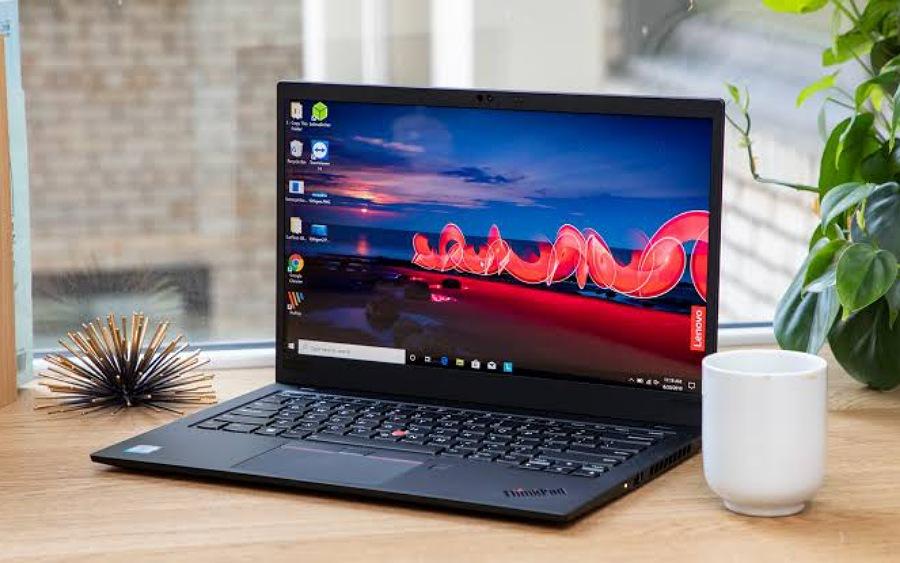
4. Lenovo ThinkPad X1 Carbon
The Lenovo ThinkPad X1 Carbon is a business-focused laptop known for its durability and excellent keyboard. It offers:
- 11th Gen Intel Core processors for smooth and efficient performance.
- Long battery life, with rapid charging capabilities.
- Robust security features, including a fingerprint reader and webcam shutter.
- Lightweight and durable, making it perfect for travel.
5. ASUS ZenBook 13
The ASUS ZenBook 13 is a budget-friendly option that doesn’t compromise on performance. Its features include:
- AMD Ryzen processors, which provide great performance at an affordable price.
- Lightweight design, weighing just 2.5 pounds.
- FHD display, offering sharp and clear visuals.
- Good battery life, lasting up to 13 hours.
Takeaways
Choosing the right laptop for remote work in Kenya is crucial for enhancing productivity and ensuring a seamless work experience. Each of the laptops mentioned above offers unique features that cater to the diverse needs of remote workers. Whether you prioritize portability, performance, or affordability, there is a laptop that will meet your specific requirements. As remote work continues to grow in popularity, investing in a high-quality laptop is a step towards achieving a more efficient and flexible work environment.
For more insights on technology and its impact on remote work, you might find resources like the World Economic Forum to be invaluable. Additionally, understanding the digital landscape in Africa can be enhanced by exploring platforms like Africa News, which provide comprehensive coverage on tech developments across the continent.
Additional Considerations for Remote Work Laptops
While the laptop choices mentioned earlier are excellent, there are additional considerations to bear in mind when selecting a laptop for remote work in Kenya. These considerations ensure that your device not only meets your current needs but is also future-proof.
Operating System Preference
Your choice of operating system (OS) can significantly impact your workflow. The most common OS options include Windows, macOS, and Linux. Each has its strengths:
- Windows: Offers a wide range of software compatibility and is user-friendly, making it a versatile choice for many professionals.
- macOS: Known for its stability and seamless integration with other Apple products, it’s ideal for those who are already in the Apple ecosystem.
- Linux: Preferred by developers and IT professionals due to its open-source nature and customization capabilities.
Consider your familiarity with these systems and the specific software you need for your work when making a decision.
Ergonomics and Usability
With remote work, you’re likely to spend extended hours on your laptop. Ergonomics play a crucial role in preventing strain and ensuring comfort. Here are some tips:
- Keyboard and Trackpad: A comfortable keyboard and responsive trackpad can make a significant difference, especially if typing forms a major part of your work.
- Screen Size and Resolution: Larger screens reduce eye strain, and higher resolutions provide better clarity, which is beneficial for tasks like graphic design or video editing.
- Adjustable Stands and External Monitors: Consider investing in these accessories to improve posture and create a more ergonomic workspace.
Security Features
Working remotely often involves handling sensitive data, making security a top priority. Look for laptops with robust security features:
- Biometric Authentication: Features like fingerprint readers or facial recognition add an extra layer of security.
- Trusted Platform Module (TPM): This hardware-based security feature protects encryption keys and sensitive data.
- Regular Software Updates: Ensure that your laptop’s OS and software receive regular security updates to protect against vulnerabilities.
Maintaining Your Laptop for Longevity
To ensure that your laptop remains in optimal condition for remote work, regular maintenance is crucial. Here are some tips:
- Regular Software Updates: Keep your operating system and applications up to date to benefit from the latest features and security patches.
- Clean the Hardware: Dust and dirt can accumulate over time. Clean your laptop’s keyboard, screen, and vents regularly to prevent overheating and maintain performance.
- Battery Care: Follow best practices for battery management, such as avoiding full discharges and keeping your laptop plugged in when possible to extend battery lifespan.
- Backup Data: Regularly back up your important files to an external drive or cloud storage to prevent data loss in case of hardware failure.
Conclusion: Finding the Perfect Laptop for Remote Work in Kenya
Selecting the right laptop for remote work can greatly enhance your productivity and job satisfaction. By considering factors such as performance, portability, and security, you can find a device that suits your unique work requirements. The laptops discussed in this article offer a range of options, from high-performance machines to budget-friendly alternatives, ensuring there is something for every remote worker in Kenya.
As remote work continues to evolve, staying informed about the latest technology trends and devices is essential. For further reading on how technology is reshaping workspaces globally, consider exploring articles from Brookings Institution, which provides in-depth analysis and insights into technological advancements and their impact on society.
With the right laptop and a commitment to maintaining it, remote work can be a rewarding and efficient experience, enabling professionals in Kenya to thrive in a dynamic digital landscape.
Emerging Trends in Remote Work Technology
As remote work becomes a staple in the professional landscape, technological advancements continue to shape the tools and practices we rely on. Understanding these trends can help remote workers in Kenya and beyond to adapt and thrive in a rapidly changing environment.
Cloud Computing and Collaboration Tools
Cloud computing has revolutionized the way we store and access data. Platforms like Amazon Web Services and Google Cloud offer scalable solutions for businesses of all sizes. For remote workers, cloud-based collaboration tools such as Google Workspace and Microsoft 365 facilitate teamwork regardless of physical location. These tools allow for real-time document editing, video conferencing, and seamless communication.
Artificial Intelligence and Machine Learning
AI and machine learning are increasingly being integrated into business processes to enhance productivity and decision-making. For remote workers, AI-driven applications can automate routine tasks, provide data-driven insights, and personalize user experiences. Tools like AI-powered chatbots improve customer service, while machine learning algorithms can optimize workflows and predict project outcomes.
Virtual Reality (VR) and Augmented Reality (AR)
While still emerging, VR and AR technologies have the potential to transform remote work environments. They can create immersive virtual office spaces that facilitate interactive meetings and collaborative work sessions. Although not yet mainstream, VR and AR offer exciting possibilities for industries such as architecture, engineering, and design, where spatial visualization is crucial.
Cybersecurity Enhancements
With the rise of remote work, cybersecurity has become a top concern for businesses and individuals alike. The need to protect sensitive information has led to advancements in cybersecurity technologies. Multi-factor authentication, end-to-end encryption, and advanced threat detection systems are becoming standard practices. Remote workers must stay informed about cybersecurity best practices to safeguard their data and privacy.
Leveraging Online Learning for Skill Development
Remote work often requires a diverse skill set, and continuous learning is essential to stay competitive. Online learning platforms like Coursera and Udemy offer a vast array of courses that can help remote workers enhance their skills and advance their careers. From technical skills such as coding and data analysis to soft skills like communication and leadership, online courses provide flexible learning opportunities that can be tailored to individual needs.
Additionally, many universities and educational institutions now offer remote learning programs, allowing professionals to pursue higher education while balancing work commitments. These programs often include virtual lectures, interactive discussions, and networking opportunities with peers worldwide.
Creating an Effective Remote Work Environment
Setting up a productive remote work environment is crucial for maintaining focus and efficiency. Here are some tips for creating an ideal workspace:
- Designate a Dedicated Workspace: Establish a specific area in your home for work to minimize distractions and mentally separate work from personal life.
- Invest in Ergonomic Furniture: A comfortable chair and desk setup can prevent physical strain and promote better posture during long work hours.
- Optimize Lighting: Ensure your workspace is well-lit, preferably with natural light, to reduce eye strain and improve mood.
- Minimize Interruptions: Use noise-cancelling headphones and communicate boundaries with household members to minimize disruptions during work hours.
- Stay Organized: Keep your workspace tidy and use digital tools like task managers and calendars to stay organized and manage your workload effectively.
Conclusion: Embracing the Future of Work
The landscape of remote work is continually evolving, bringing new challenges and opportunities for professionals worldwide. By selecting the right technology, staying informed about industry trends, and fostering a conducive work environment, remote workers in Kenya can not only adapt to these changes but also excel in their careers.
As we look to the future, the ability to work remotely will likely remain a significant aspect of professional life. Embracing this shift with the right mindset and tools will be essential for success. For further exploration of how the future of work is shaping up globally, consider reading articles from sources like the McKinsey Global Institute, which offers comprehensive research and insights into organizational practices and workforce dynamics.
In conclusion, the best laptops for remote work in Kenya are those that align with individual needs and preferences, supported by a commitment to continuous learning and adaptation. With the right approach, remote work can be a fulfilling and rewarding experience, opening doors to new possibilities and growth.
Need help with Best Laptops for Remote Work in Kenya?
Ready to upgrade your tech? 🚀 Visit Joo Computers today for quality laptops, desktops, accessories, and expert support. 📞 Call / WhatsApp: 0717 18 35 90 📍 Location: Moi Avenue, Elegant Exhibition Shop A5, opposite Bihi Towers Walk in, call us, or message us now — let’s get you sorted!
Need help with Best Laptops for Remote Work in Kenya? Ready to upgrade your tech? 🚀 Visit Joo Computers today for quality laptops, desktops, accessories, and expert support. 📞 Call / WhatsApp: 0717 18 35 90 📍 Location: Moi Avenue, Elegant Exhibition Shop A5, opposite Bihi Towers Walk in, call us, or message us now — let’s get you sorted!