


An In-depth Guide: How to Choose the Right CCTV Cameras for Your School
Ensuring the safety and security of students and staff is a top priority for schools worldwide. With increasing incidents of violence and vandalism, schools are turning to technological solutions like CCTV cameras to enhance their security measures. However, choosing the right CCTV cameras for your school can be a daunting task, given the myriad of options available in the market. This guide aims to simplify that process by providing a comprehensive overview of the factors you need to consider when selecting CCTV cameras for educational institutions.
Understanding the Importance of CCTV in Schools
Before diving into the specifics of choosing a CCTV system, it’s essential to understand why they are necessary for schools. CCTV cameras serve multiple purposes:
- Deterrence: The presence of cameras can deter potential vandals and intruders, reducing the likelihood of criminal activities.
- Monitoring: Cameras provide real-time surveillance, helping school authorities monitor activities within the school premises.
- Evidence Collection: In case of an incident, CCTV footage can provide invaluable evidence for investigations.
- Safety: Cameras help ensure the safety of students and staff by monitoring high-risk areas like entrances, exits, and hallways.
Given these benefits, it is clear that choosing the right CCTV cameras is crucial for effective school security.
Factors to Consider When Choosing CCTV Cameras
When selecting CCTV cameras for your school, consider the following factors to ensure you make an informed decision:
1. Camera Type
CCTV cameras come in various types, each suited for different purposes. Understanding the differences can help you select the most appropriate cameras for your school’s needs:
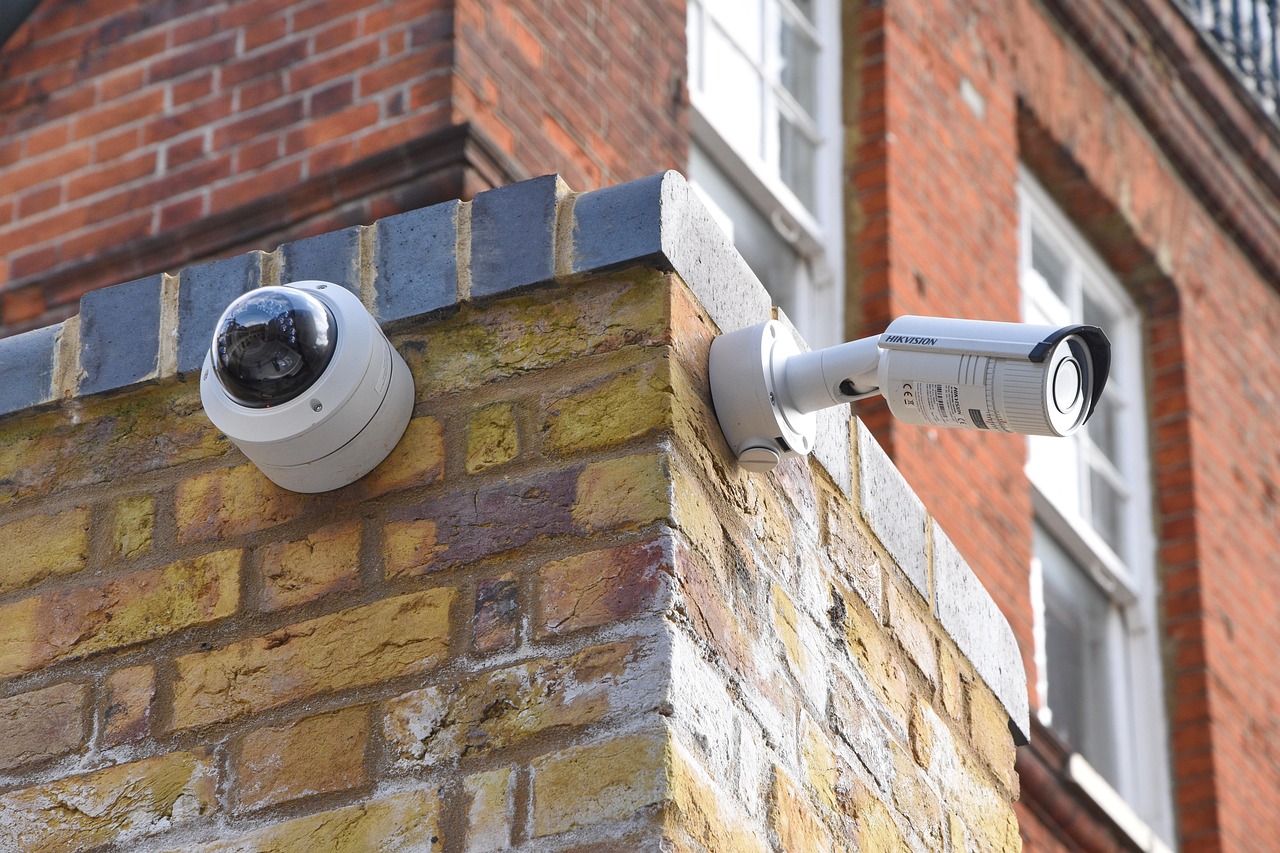
- Bullet Cameras: These are ideal for outdoor use due to their long-range capabilities and weather-resistant design. They are often used to monitor perimeters.
- Dome Cameras: Named for their dome-shaped casing, these cameras are typically used indoors. Their design makes it difficult to determine the camera’s direction, providing a deterrent effect.
- PTZ Cameras: Pan-Tilt-Zoom cameras allow remote direction control and zooming, making them suitable for large areas like playgrounds or auditoriums.
- IP Cameras: Internet Protocol cameras offer high-resolution footage and can be accessed remotely over the internet, making them a modern choice for tech-savvy schools.
2. Resolution
The resolution of a CCTV camera determines the clarity of the footage it captures. High-resolution cameras provide clearer images, which can be crucial for identifying individuals or details in the footage. When selecting cameras, consider opting for those with at least 1080p resolution. For high-security areas, you might want to consider 4K resolution cameras for superior image quality.
3. Coverage Area
Understanding the coverage area of your cameras is critical. For large areas, such as schoolyards, PTZ cameras might be necessary due to their ability to cover wide spaces. For smaller areas, fixed cameras like bullet or dome cameras may suffice. It is essential to conduct a thorough assessment of the school’s layout to determine the number and type of cameras needed to ensure complete coverage.
4. Night Vision Capability
Security concerns don’t disappear when the sun goes down. Therefore, ensuring that your CCTV system has night vision capabilities is essential. Infrared cameras provide visibility in low-light conditions, ensuring your school is protected 24/7.
5. Storage Solutions
Consider how you will store the footage captured by your CCTV cameras. Options include:
- Onsite Storage: Using digital video recorders (DVRs) or network video recorders (NVRs) to store footage locally.
- Cloud Storage: Storing footage in the cloud allows for remote access and can be more secure, as it protects against physical theft or damage.
Each option has its pros and cons, and the choice depends on your school’s specific needs and budget.
Installation and Maintenance
Once you’ve chosen your CCTV cameras, attention must be given to installation and maintenance:
Professional Installation
Hiring professionals for installation ensures that cameras are correctly positioned and set up, maximizing their effectiveness. Professionals can also integrate the CCTV system with existing security measures, such as alarms or access controls, for a comprehensive security solution.
Regular Maintenance
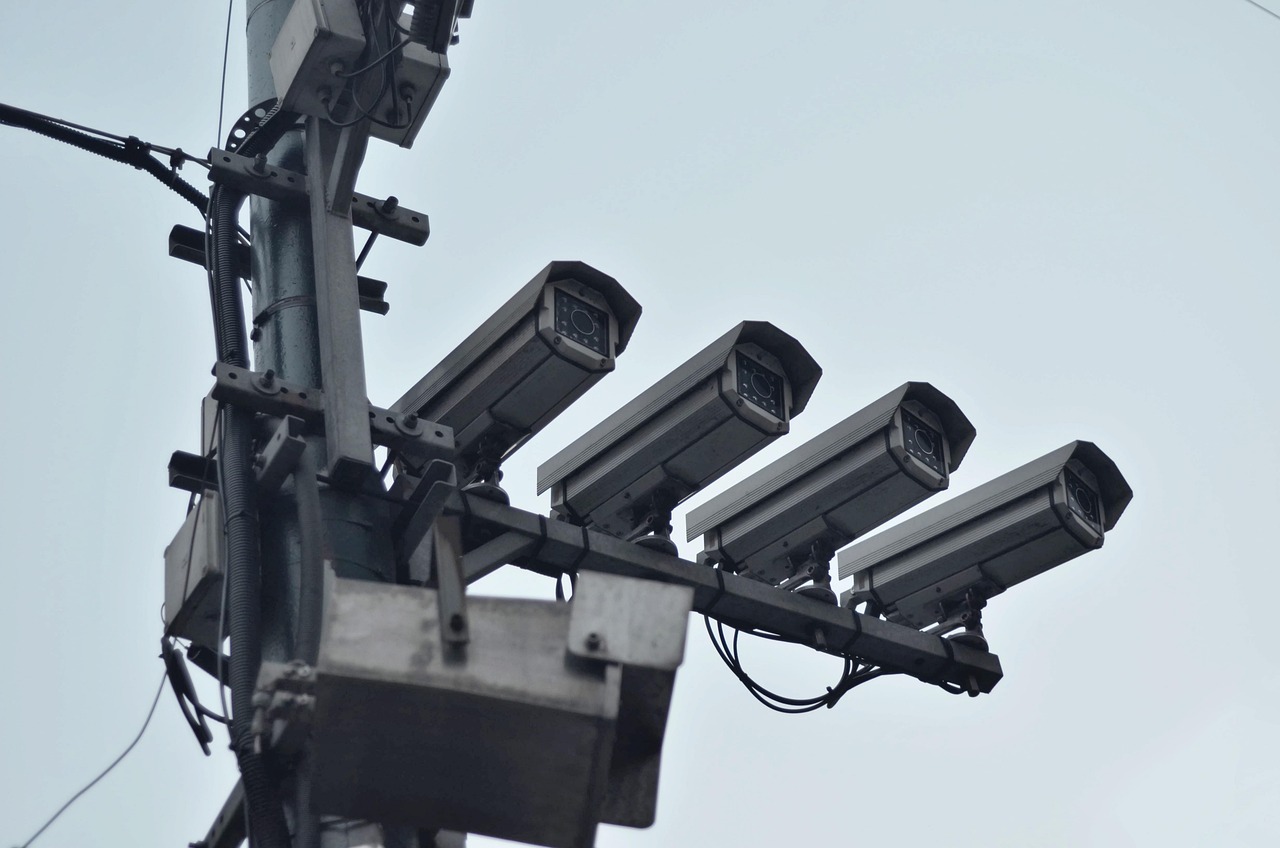
Regular maintenance is crucial to keep your CCTV system functioning effectively. This includes cleaning camera lenses, checking connections, and ensuring storage systems are working correctly. Scheduled maintenance can prevent potential issues from turning into serious problems, ensuring constant surveillance.
Legal and Ethical Considerations
Implementing CCTV in schools involves legal and ethical considerations:
Compliance with Laws
Ensure compliance with local laws and regulations regarding CCTV usage. This includes informing students and staff about surveillance, ensuring cameras do not invade personal privacy, and storing footage securely and responsibly.
Ethical Concerns
While CCTV cameras are essential for security, they also raise ethical questions about privacy. Schools must balance safety with privacy, ensuring cameras are installed in appropriate locations and used responsibly to maintain trust within the school community. For more on this topic, consider reviewing guidelines from relevant data protection authorities.
Cost Considerations
Finally, consider the costs associated with your CCTV system:
Initial Costs
This includes the purchase of cameras, storage systems, and installation fees. It’s essential to budget for high-quality equipment and professional installation to ensure the system’s effectiveness.
Ongoing Costs
Factor in ongoing costs for maintenance, storage (especially if opting for cloud solutions), and potential upgrades. A well-maintained system is a long-term investment in school safety.
Consider consulting with security experts or vendors who can offer insight into efficient security solutions that align with your school’s budget.
Takeaways
Choosing the right CCTV cameras for your school requires careful consideration of various factors, from camera types and resolution to installation and legal implications. By understanding these aspects and consulting with professionals, schools can implement a CCTV system that not only enhances security but also respects the privacy and trust of the school community. With the right CCTV cameras, schools can create a safer environment where students and staff can focus on education without security concerns. For additional information, you may want to explore resources available through the Department of Education.

Future Trends in School CCTV Systems
As technology continues to evolve, so do the capabilities of CCTV systems. Schools looking to invest in CCTV should be aware of emerging trends that could impact their security strategies in the future:
1. Artificial Intelligence and Machine Learning
AI and machine learning are transforming the capabilities of CCTV systems. Advanced analytics can now detect unusual behavior, recognize faces, and even identify specific objects. These technologies can alert school authorities in real-time, allowing them to respond swiftly to potential threats. For more insights into AI’s impact on security, consider exploring information from the latest tech advancements.
2. Integration with Other Security Systems
Modern CCTV systems can integrate with other security measures such as access control systems, alarms, and emergency communication systems. This creates a unified security infrastructure that enhances overall school safety by providing comprehensive monitoring and quicker response capabilities.
3. Increased Use of Cloud-Based Solutions
The shift towards cloud-based storage solutions is growing, offering scalability and flexibility that traditional storage methods cannot match. Cloud solutions provide schools with the ability to access footage remotely, secure data offsite, and easily scale storage as needed. Schools should weigh the benefits of cloud storage, considering potential costs and security implications.
4. Enhanced Cybersecurity Measures
With increased connectivity, cybersecurity becomes a critical aspect of CCTV systems. Schools must ensure that their systems are well-protected against cyber threats, which can compromise both the security footage and the overall network. This may involve investing in secure networks, regular security audits, and up-to-date software. For additional guidelines, the cybersecurity frameworks can provide valuable information.
Takeaways
Choosing the right CCTV cameras for your school is a multifaceted decision that requires careful consideration of various factors, from technical specifications and installation to ethical and legal considerations. By staying informed about the latest trends and technologies, schools can implement a robust and effective security system that not only protects students and staff but also respects their privacy. Investing in a high-quality CCTV system is a vital step in ensuring that educational environments remain safe and conducive to learning.
As schools continue to adapt to new security challenges, it is crucial to remain proactive and forward-thinking in their approach. By doing so, they can create a secure atmosphere where students and educators can thrive, knowing that their safety is a priority.
Case Studies: Successful Implementation of CCTV in Schools
To better understand how CCTV systems can be effectively deployed in educational settings, let’s look at some real-world examples of schools that have successfully implemented these security measures:
1. Greenwood High School
Greenwood High School, located in a suburban area, faced issues with vandalism and unauthorized entries. By installing a combination of dome and bullet cameras strategically around the campus, the school saw a significant reduction in such incidents. The cameras provided high-resolution footage for security personnel to review promptly, leading to faster response times. The school also implemented an integrated security system that connected CCTV footage with their access control systems, enhancing overall security.
2. Lincoln Elementary School
Lincoln Elementary took a proactive approach by engaging with parents and the local community before installing their CCTV system. By addressing privacy concerns and explaining the system’s benefits, the school garnered community support. They chose IP cameras for their high-definition capabilities and ease of remote access, allowing parents to feel more connected to their children’s safety. This open communication strategy ensured a smooth implementation process and improved community trust.
3. Riverside University
Riverside University faced challenges with monitoring large areas such as lecture halls and sports complexes. They opted for PTZ cameras to cover expansive spaces and integrated these with their existing security infrastructure. The university also invested in AI-driven analytics to monitor crowd gatherings and detect unusual behavior, improving their ability to manage events and emergencies effectively. This strategic use of technology has positioned Riverside as a leader in campus safety.
Tips for Schools Considering CCTV Installation

For schools planning to install or upgrade their CCTV systems, consider the following tips to ensure a successful implementation:
- Conduct a Security Audit: Assess your current security measures and identify areas that require enhanced surveillance. This helps in choosing the right camera types and placement.
- Engage Stakeholders: Involve staff, students, and parents in the planning process to address concerns and secure buy-in. Transparent communication can alleviate privacy worries and build trust.
- Set Clear Policies: Develop clear policies regarding camera usage, data storage, and access to footage. Ensure these policies comply with local laws and regulations.
- Plan for Maintenance: Allocate resources for regular maintenance and updates to the CCTV system to keep it functioning optimally.
- Consider Future Upgrades: Choose a flexible system that can be easily upgraded as technology advances and your school’s needs evolve.
Final Thoughts
The decision to implement CCTV cameras in schools should be approached with careful planning and consideration. By understanding the various factors involved and learning from successful case studies, schools can design a security strategy that effectively protects students and staff while respecting their rights. As technology continues to evolve, staying informed and adaptable will be key to maintaining a safe educational environment. For further details on the latest in school security, reviewing resources from the National Association of Secondary School Principals can provide valuable insights.
Ultimately, the right CCTV system can transform school security, creating a safer, more secure environment that prioritizes the well-being of everyone on campus. By taking a proactive approach to security, schools can ensure they are prepared to face any challenges that arise, providing peace of mind to students, staff, and parents alike.
Need help with “An In-depth Guide: How to Choose the Right CCTV Cameras for Your School”?
Ready to upgrade your tech? 🚀 Visit Joo Computers today for quality laptops, desktops, accessories, and expert support. 📞 Call / WhatsApp: 0717 18 35 90 📍 Location: Moi Avenue, Elegant Exhibition Shop A5, opposite Bihi Towers Walk in, call us, or message us now — let’s get you sorted!
Need help with “An In-depth Guide: How to Choose the Right CCTV Cameras for Your School”? Ready to upgrade your tech? 🚀 Visit Joo Computers today for quality laptops, desktops, accessories, and expert support. 📞 Call / WhatsApp: 0717 18 35 90 📍 Location: Moi Avenue, Elegant Exhibition Shop A5, opposite Bihi Towers Walk in, call us, or message us now — let’s get you sorted!