



Laptops in Kenya
In recent years, laptops have become an essential tool for students, professionals, and businesses in Kenya. With the rapid growth of technology, the demand for portable computing devices has surged, making laptops an integral part of daily life. This article explores the landscape of laptops in Kenya, covering the available options, market trends, and buying tips.
The Growing Popularity of Laptops in Kenya
The shift towards digitalization in Kenya has been a significant factor in the rising popularity of laptops. As more educational institutions incorporate digital learning, students are increasingly reliant on these devices for their studies. Similarly, businesses are adopting laptops to enhance productivity and facilitate remote working. This trend is reflected in the increasing internet penetration in the country, which has further fueled the demand for laptops.
Types of Laptops Available in Kenya
Laptops in Kenya cater to a diverse range of needs, from basic computing tasks to high-performance requirements. Here’s an overview of the types of laptops available in the Kenyan market:
- Entry-Level Laptops: These are budget-friendly options suitable for basic tasks such as browsing, word processing, and watching videos. Brands like HP, Dell, and Lenovo are popular in this category.
- Mid-Range Laptops: Offering better performance and features, mid-range laptops are ideal for students and professionals who need a balance of affordability and functionality. Acer and Asus are notable brands in this segment.
- High-Performance Laptops: Designed for tasks requiring significant processing power, such as gaming and graphic design. Brands like Apple, MSI, and Razer dominate this category.
- Ultrabooks: Known for their sleek design and lightweight, ultrabooks are perfect for on-the-go professionals. They offer excellent battery life and performance.
Key Features to Consider When Buying a Laptop
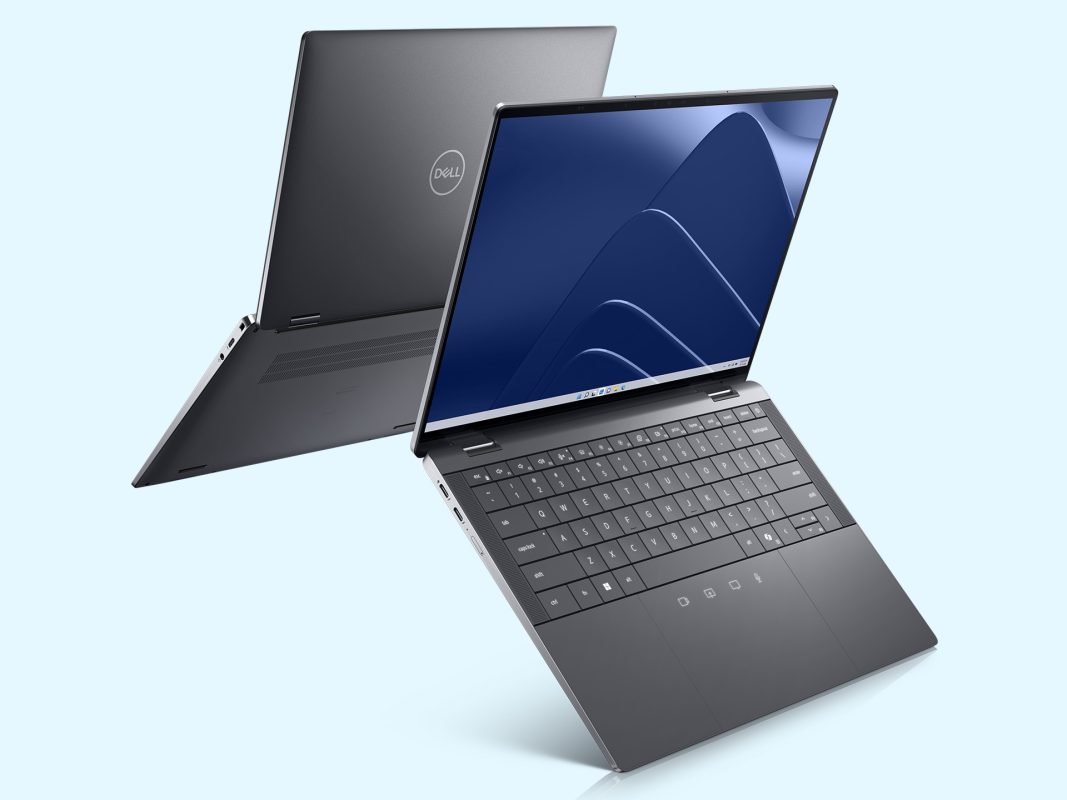
Choosing the right laptop can be challenging given the myriad of options available. Here are some key features to consider to ensure you make an informed decision:
- Processor: The CPU is the brain of the laptop, influencing its overall performance. Intel and AMD processors are common, with Intel’s Core series and AMD’s Ryzen series being popular choices.
- RAM: More RAM allows for smoother multitasking. For basic use, 4GB is sufficient, but 8GB or more is recommended for more demanding applications.
- Storage: Solid State Drives (SSDs) offer faster performance compared to traditional Hard Disk Drives (HDDs). For speed and efficiency, opt for a laptop with an SSD.
- Display: Consider the screen size and resolution. Full HD (1920×1080) is standard, but higher resolutions are available for more detailed visuals.
- Battery Life: Essential for portability, especially if you plan to use the laptop away from a power source frequently.
Market Trends in the Kenyan Laptop Industry
The Kenyan laptop market is dynamic, with several trends shaping its evolution. One significant trend is the increasing preference for business laptops that offer enhanced security features and robust performance. Additionally, there’s a growing interest in convertible laptops, which combine the functionality of a tablet and a laptop, offering versatility to users.
Another notable trend is the rise of e-commerce platforms, enabling consumers to access a wide range of laptop models with ease. Websites like Jumia and Kilimall have become popular destinations for purchasing laptops online, often offering competitive prices and deals.
Challenges Facing the Laptop Market in Kenya
While the growth of the laptop market in Kenya is promising, it faces several challenges. Importation costs and taxes can raise the overall price of laptops, making them less accessible to the average consumer. Additionally, the prevalence of counterfeit products poses a risk to buyers, emphasizing the need for vigilance and purchasing from reputable sources.
Another challenge is the lack of widespread awareness about the importance of laptop maintenance. Proper care is crucial to prolonging the lifespan of a laptop, yet many users neglect regular updates and hardware servicing.
Tips for Buying a Laptop in Kenya

When purchasing a laptop in Kenya, consider the following tips to ensure you get the best value for your money:
- Set a Budget: Determine your budget before starting your search. This will help narrow down your options and prevent overspending.
- Research: Take the time to research different brands and models. Read reviews and compare specifications to find a laptop that meets your needs.
- Buy from Reputable Sellers: Purchase from authorized dealers or well-known e-commerce platforms to avoid counterfeit products.
- Check Warranty: Ensure the laptop comes with a warranty to protect against defects and issues.
- Consider Future Needs: Think about your future computing needs to choose a laptop that can adapt as your requirements evolve.
Takeaways
Laptops have become an indispensable part of life in Kenya, supporting education, business, and personal use. With a wide variety of options available, it’s crucial to understand the different types of laptops and their features to make an informed purchase. By staying informed about market trends and challenges, consumers can navigate the Kenyan laptop market with confidence. As technology continues to advance, the demand for laptops in Kenya is expected to grow, offering users even more opportunities to enhance their digital experience.
For further information on how laptops are transforming educational landscapes, check out the insightful details provided by Edutopia.
The Impact of Laptops on Education in Kenya
The integration of laptops into the educational system in Kenya has revolutionized learning and teaching methodologies. Educational institutions, from primary schools to universities, are increasingly adopting digital tools to enhance the learning experience. Here are some ways laptops are impacting education in Kenya:
- Access to Resources: Laptops provide students and teachers with access to a vast array of online resources, including educational platforms and digital libraries, expanding their learning beyond traditional textbooks.
- Interactive Learning: With interactive software and applications, laptops facilitate engaging and personalized learning experiences, accommodating diverse learning styles and paces.
- Remote Learning: Especially during the COVID-19 pandemic, laptops have enabled schools to continue teaching through virtual classrooms, ensuring that education is uninterrupted.
- Skill Development: By using laptops, students develop essential digital skills that are crucial in today’s job market, such as typing, online research, and basic programming.

The Role of Government and NGOs in Promoting Laptop Use
The Kenyan government and various non-governmental organizations (NGOs) play a crucial role in promoting the use of laptops across the country. Initiatives such as the Digital Literacy Programme aim to equip students with laptops and digital skills from an early age. This program has distributed thousands of laptops to schools, particularly in rural areas, to bridge the digital divide.
NGOs also contribute by providing training and resources to educators, ensuring they are equipped to integrate technology into their teaching practices. Collaborations between the government and technology companies have further facilitated the availability of affordable laptops, making it easier for students and schools to access these critical tools.
Future Prospects for the Laptop Market in Kenya
The future of the laptop market in Kenya looks promising as technological advancements continue to evolve. The increasing adoption of cloud computing and artificial intelligence is likely to influence the development of more sophisticated laptops, offering enhanced capabilities and features. Moreover, the push towards digital transformation across various sectors will likely drive further growth in the demand for laptops.
As Kenya continues to strengthen its position as a technological hub in Africa, the laptop market is expected to grow, offering consumers a wider range of options and innovations. Stakeholders in the industry, including manufacturers, retailers, and policymakers, will need to collaborate to address challenges and ensure that laptops remain accessible and affordable for all segments of the population.
Takeaways
Laptops have become a cornerstone of modern life in Kenya, supporting education, business, and everyday activities. As the market continues to expand, consumers are presented with a variety of choices, making it essential to understand the features and specifications that best suit their needs. By considering factors such as budget, performance, and future requirements, buyers can make informed decisions and maximize the value of their investments.
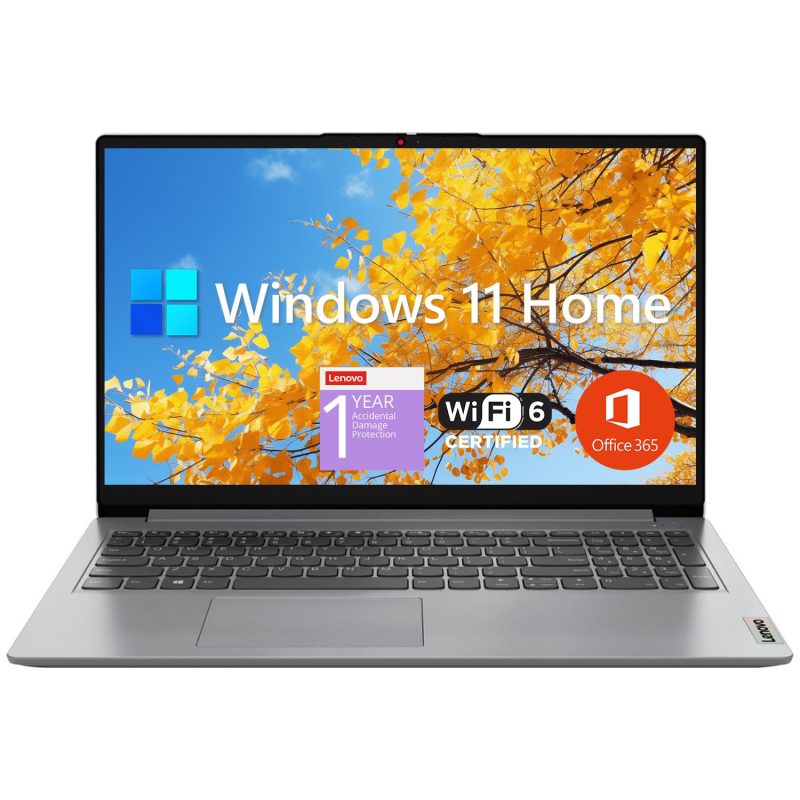
With ongoing efforts from the government and NGOs to promote digital literacy and technological integration, the future of laptops in Kenya is bright. As more people gain access to these valuable tools, the potential for innovation and growth in the country is limitless. To stay updated on the latest trends and developments, exploring resources such as TechCrunch can provide valuable insights into the evolving landscape of technology.
The Influence of Global Technology Trends on Kenyan Laptop Preferences
Global technology trends significantly influence the preferences and buying decisions of consumers in Kenya. As international brands launch new models with advanced features, Kenyan consumers become more discerning, seeking laptops that align with global standards. Innovations such as biometric security, AI-powered functionalities, and improved connectivity options are becoming key factors in purchasing decisions.
Moreover, the increasing awareness and demand for sustainable practices worldwide have encouraged consumers in Kenya to consider the environmental impact of their electronics. Brands that offer eco-friendly laptops, made with recyclable materials and energy-efficient designs, are gaining traction among environmentally-conscious buyers.
Customization and Personalization: Meeting Diverse Consumer Needs
As the Kenyan market matures, there’s a growing demand for laptops that can be customized to meet individual needs. Consumers are looking for options that allow them to choose specific components, such as the type of storage or the amount of RAM, to tailor the laptop’s performance to their unique requirements.
Personalization extends beyond hardware, with software customization also playing a crucial role. Users seek laptops that can support a variety of operating systems, applications, and utilities that enhance their productivity and cater to personal preferences. This trend reflects the broader shift towards user-centric technology, where the user experience is paramount.
The Role of Retailers in Shaping the Laptop Market
Retailers play a pivotal role in shaping the laptop market in Kenya. They act as intermediaries between manufacturers and consumers, influencing pricing, availability, and customer service. Successful retailers understand the importance of providing a seamless shopping experience, both online and offline, to attract and retain customers.
Many retailers have embraced e-commerce, enabling them to reach a wider audience and offer competitive pricing. They also focus on providing comprehensive after-sales support, including warranty services, repairs, and technical assistance, which are critical factors in the purchase decision for many consumers.
Strategies for Manufacturers to Succeed in the Kenyan Market
For manufacturers looking to succeed in the Kenyan market, understanding local consumer behavior and preferences is crucial. Strategies that have proven effective include:
- Local Partnerships: Collaborating with local distributors and retailers to ensure widespread availability and competitive pricing.
- Targeted Marketing: Utilizing digital marketing channels to reach the tech-savvy Kenyan audience, focusing on the unique features and benefits of their products.
- Product Diversification: Offering a range of products to cater to different market segments, from budget-conscious consumers to high-end users seeking premium features.
- Customer Engagement: Actively engaging with customers through social media and forums to gather feedback and build brand loyalty.
Conclusion: A Dynamic Future for Laptops in Kenya
The laptop market in Kenya is poised for continued growth and transformation, driven by technological advancements, evolving consumer preferences, and strategic initiatives by key stakeholders. As laptops become increasingly integral to education, business, and personal use, the opportunities for innovation and market expansion are vast.
By staying attuned to global trends and local needs, manufacturers, retailers, and policymakers can work together to ensure that laptops remain accessible, affordable, and aligned with the expectations of Kenyan consumers. The future of laptops in Kenya is not just about technology, but about empowering individuals and communities to thrive in an increasingly digital world.
For those interested in exploring further, resources such as Gartner’s insights on technology trends can provide valuable perspectives on the evolving landscape of the laptop industry.
Need help with Laptops in Kenya?
Ready to upgrade your tech? 🚀 Visit Joo Computers today for quality laptops, desktops, accessories, and expert support. 📞 Call / WhatsApp: 0717 18 35 90 📍 Location: Moi Avenue, Elegant Exhibition Shop A5, opposite Bihi Towers Walk in, call us, or message us now — let’s get you sorted!
Need help with Laptops in Kenya? Ready to upgrade your tech? 🚀 Visit Joo Computers today for quality laptops, desktops, accessories, and expert support. 📞 Call / WhatsApp: 0717 18 35 90 📍 Location: Moi Avenue, Elegant Exhibition Shop A5, opposite Bihi Towers Walk in, call us, or message us now — let’s get you sorted!