




Laptop vs Desktop: Which Is Better for Work in Kenya
As digital workspaces become increasingly common, selecting the right equipment is crucial for productivity and efficiency. In Kenya, the debate between using a laptop or a desktop for work continues to attract attention. While some professionals swear by the portability of laptops, others appreciate the power and upgradeability of desktops. This article explores the pros and cons of both options to help you make an informed decision.
Understanding the Kenyan Work Environment
Kenya’s work environment is diverse, encompassing everything from urban offices in Nairobi to rural settings where connectivity can be a challenge. The choice between a laptop and a desktop often depends on the specific needs of your work, the availability of resources, and lifestyle preferences. Let’s delve into the factors influencing this decision.
Portability: The Laptop Advantage
Laptops are inherently portable, making them ideal for professionals who need to move between different locations. Whether you’re attending meetings across town or working from a remote location, a laptop provides the flexibility to carry your work with you. In Kenya, where traffic congestion in cities like Nairobi can be significant, the ability to work from different locations is a notable advantage.
Moreover, the increasing prevalence of remote work in Kenya has further emphasized the need for portable devices. With a laptop, you can easily set up a temporary office at home or work from a café with Wi-Fi access. This adaptability is crucial for maintaining productivity outside the traditional office setting.

Performance and Power: The Desktop Edge
Desktops are generally more powerful than laptops, offering superior performance for complex tasks such as video editing, 3D modeling, or software development. If your work involves running resource-intensive applications, a desktop might be the better choice. In Kenya, where professional content creation and tech development are on the rise, the processing power of a desktop can be invaluable.
Desktops also offer the advantage of upgradeability. You can easily swap out components like the graphics card, RAM, or storage to enhance performance. This flexibility can extend the lifespan of your machine, making it a cost-effective option in the long run. For professionals looking to invest in a robust setup, desktops provide a level of customization that laptops typically cannot match.
Cost Considerations
When comparing the cost, desktops often offer better performance for the price. The initial investment in a desktop might be higher if you include peripherals like a monitor, keyboard, and mouse. However, you generally get more powerful hardware for the same price as a mid-range laptop. This can be a key consideration for small businesses and freelancers in Kenya who need to maximize their budget.
On the other hand, laptops can be more economical if you factor in the cost of mobility and convenience. With a laptop, you don’t need to purchase additional peripherals or worry about power consumption, which can be significant with desktops. For those who prioritize a minimalistic setup, laptops offer a more straightforward solution.
Connectivity and Internet Access
In many parts of Kenya, reliable internet connectivity is still a work in progress. Laptops have an advantage in this area as they often come with built-in wireless capabilities, allowing you to connect to Wi-Fi networks effortlessly. This feature is particularly beneficial in areas where wired internet options are limited or unavailable.

Desktops, while capable of connecting to Wi-Fi, often require additional hardware, such as a USB Wi-Fi adapter. This can add to the cost and complexity of setting up your workstation, especially in regions where technical support may not be readily accessible.
Ergonomics and Comfort
For professionals who spend long hours at their desks, ergonomics is a critical factor. Desktops typically offer a more ergonomic setup, as you can position your monitor, keyboard, and chair to suit your comfort. This setup can help reduce the risk of repetitive strain injuries, which are common in professions requiring extended computer use.
In contrast, working on a laptop for prolonged periods can lead to discomfort, as the screen and keyboard are fixed in close proximity. While you can use accessories like external keyboards and stands to improve ergonomics, this somewhat negates the portability advantage of laptops.
Security and Data Protection
Data security is a priority for any professional, and both laptops and desktops have their strengths and weaknesses in this area. Laptops, due to their portability, are more susceptible to theft. Ensuring data security means investing in additional protection measures, such as encryption software or tracking devices.
Desktops, being stationary, are less likely to be stolen, providing an inherent level of security. However, they can still be vulnerable to cyber threats. Implementing robust cybersecurity measures, such as firewalls and antivirus software, is essential regardless of your choice of device.
Environmental Impact and Energy Consumption
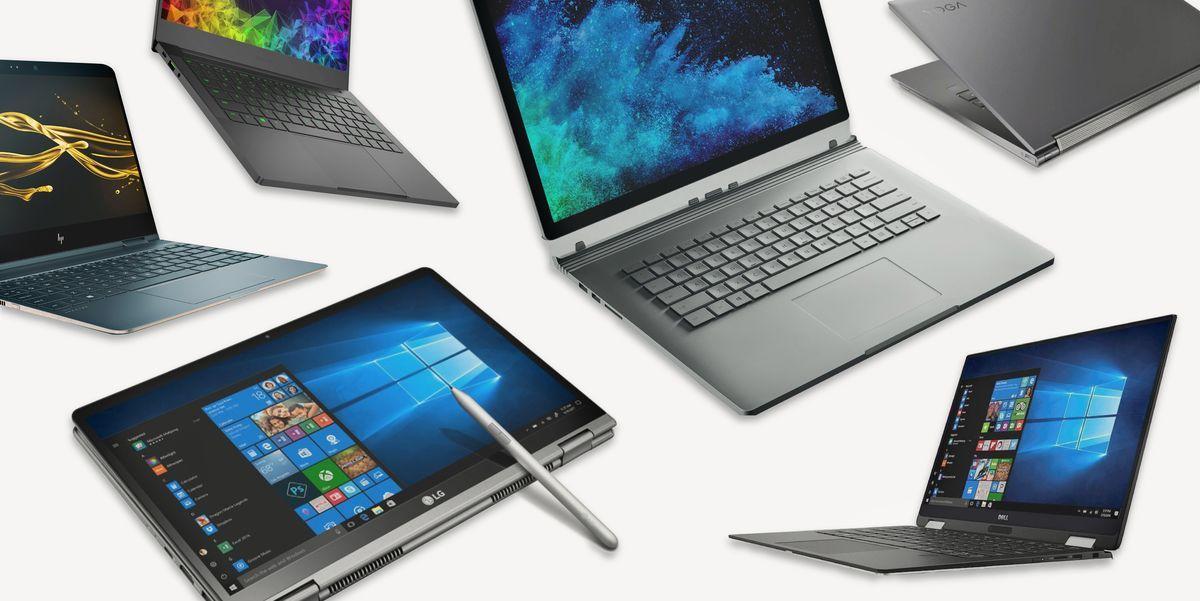
Energy consumption is an important consideration, particularly in Kenya, where electricity costs can be high, and power outages are not uncommon. Laptops are generally more energy-efficient than desktops, consuming less power and generating less heat. This efficiency can translate to cost savings on electricity bills over time.
Desktops, particularly powerful ones, can be significant energy consumers. However, they can be turned off when not in use, and modern desktops often have power-saving features to reduce consumption. Balancing performance needs with energy efficiency is crucial for environmentally conscious users.
Choosing the Right Device for Your Needs
Ultimately, the decision between a laptop and a desktop in Kenya comes down to your specific work requirements, lifestyle, and budget. For professionals who value portability and flexibility, a laptop is the ideal choice. However, if performance, upgradeability, and ergonomics are your priorities, a desktop might be the better investment.
Consider your work environment, the nature of your tasks, and how often you need to move your workstation. Evaluate the long-term costs, including energy consumption and potential upgrades. By carefully weighing these factors, you can make an informed decision that enhances your productivity and aligns with your professional goals.
Whether you opt for a laptop or a desktop, ensuring you have the right productivity tools and a reliable internet connection will significantly impact your efficiency and success in the dynamic Kenyan work landscape.
Future Trends and Technological Developments
As technology continues to evolve, both laptops and desktops are experiencing advancements that could influence your decision. Innovations such as cloud computing, improved battery technologies, and the integration of artificial intelligence are reshaping how these devices are used for work.
Laptops are benefiting from longer battery lives and more efficient processors, making them even more appealing for those who need to work on the go. The rise of mobile computing means that laptops are becoming more powerful without sacrificing portability. Features like touchscreen interfaces and convertible designs further enhance their versatility.
Desktops, on the other hand, are seeing improvements in terms of virtual reality capabilities and enhanced graphical performance. For industries such as gaming, design, and virtual simulations, desktops remain a key resource. The modular nature of desktops allows for easy integration of new technologies, ensuring they stay relevant for longer periods.
Hybrid Solutions and Workstations
In response to the diverse needs of modern professionals, hybrid solutions are becoming increasingly popular. Devices such as all-in-one PCs and detachable laptops offer a blend of portability and performance. These devices can serve as a desktop replacement when docked and provide the mobility of a laptop when detached.
For those who require both the power of desktops and the mobility of laptops, setting up a dual-device workstation might be a viable option. This approach allows professionals to switch between devices depending on their work setting and requirements, maximizing efficiency and productivity.
Local Market Considerations
When deciding between a laptop and a desktop, it’s essential to consider the local market in Kenya. Availability of spare parts, repair services, and technical support can influence your decision. In urban areas, access to repair services and parts is generally better than in rural regions, which might affect the long-term usability of a desktop.

Additionally, consider the availability of brands and models within Kenya. Some brands may offer better service support and warranty options locally, which can be a significant consideration in your purchasing decision.
Conclusion: Making the Right Choice for Your Work Needs
The choice between a laptop and a desktop for work in Kenya is not a straightforward one. Each option offers distinct advantages and potential drawbacks depending on your specific needs and circumstances. Laptops offer unparalleled portability and convenience, ideal for professionals who need flexibility and the ability to work from various locations. Desktops provide robust performance and customization options, making them suitable for tasks that require significant processing power.
By considering factors such as work environment, performance needs, budget, and future technological trends, you can make a decision that aligns with your professional goals and lifestyle. Whether you choose a laptop, a desktop, or a hybrid solution, the key is to ensure that your device supports your productivity and enhances your work experience in the dynamic Kenyan landscape.
For more insights into optimizing your work setup, explore resources on business technology and stay informed about the latest trends in the digital workspace.
Need help with Laptop vs Desktop: Which Is Better for Work in Kenya?
Ready to upgrade your tech? 🚀 Visit Joo Computers today for quality laptops, desktops, accessories, and expert support. 📞 Call / WhatsApp: 0717 18 35 90 📍 Location: Moi Avenue, Elegant Exhibition Shop A5, opposite Bihi Towers Walk in, call us, or message us now — let’s get you sorted!
Need help with Laptop vs Desktop: Which Is Better for Work in Kenya? Ready to upgrade your tech? 🚀 Visit Joo Computers today for quality laptops, desktops, accessories, and expert support. 📞 Call / WhatsApp: 0717 18 35 90 📍 Location: Moi Avenue, Elegant Exhibition Shop A5, opposite Bihi Towers Walk in, call us, or message us now — let’s get you sorted!